

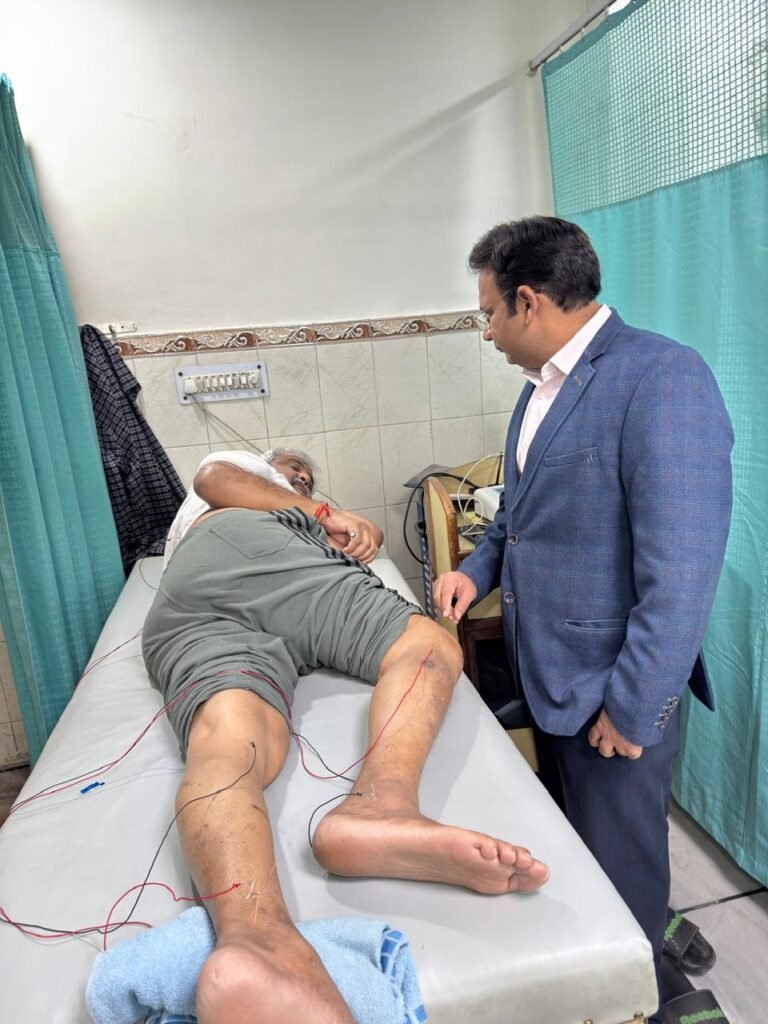
The existence of mental and physical health conditions/disorders is becoming prevalent with each passing day. This rising prevalence of mental disorders conveys the importance of its all-around care, besides just physical health, for great outcomes.
Meanwhile, people started recognizing the importance of mental health in enhancing the quality of life, especially during the COVID-19 pandemic. It was a time when emotional distress and people were at risk of psychiatric illness.
Now that good days are back, let’s learn from our mistakes and start prioritizing mental health through physical therapy. To know how, stick with us till the end, by the end, you will know how to overcome different vulnerable mental states.
Patients With Depressive Disorders
Depression is common these days, especially in teenagers, where an individual goes through a persistent low mood and loss of interest in almost everything. At the same time, physiotherapy has extended its effectiveness to depressive disorders.
In one of the studies, 3 systematic reviews were carried out. One review discovered the effectiveness of exercise therapy in improving symptoms of depression. Another review investigated the correct exercise parameters on clinician or self-rated depression scales. The last one highlighted the dropout rates in exercises among people with depression.
Overall, the research shows that physical therapy or physical activities, even in mild forms, can cure depression by promoting emotional and mental stability. Our physiotherapist in Kalyan Puri, Delhi focus on exercises that help release endorphins (feel-good hormones), increase energy, and give people a sense of accomplishment.
Somatic Disorders
A somatic disorder is a functional motor disorder where symptoms are linked to psychological factors. For example, the symptoms include experiencing exaggerated and disrupted sensations in different areas of the body and exaggerated thoughts. Most of the time, it remains misdiagnosed or misunderstood.
The diagnosis is based on how long the individual has been experiencing these symptoms. Later, in conversation with a therapist, one can expect to talk about symptoms like fears or concerns, stressful situations, relationships, and more.
Physical therapy addresses these concerns and helps patients shift their focus to restoring physical function and regaining confidence in their body’s abilities.
People With Anxiety Disorders
Anxiety disorders are another common mental disorders where their treatment include pharmacotherapy and psychological interventions. But the bummer is, they are not always successful, as many patients do not respond to pharmacological agents. By working with a physiotherapist and psychotherapist, patients can learn breathing techniques and mindfulness exercises.
Cognitive-behavioural therapy (CBT) and acceptance and commitment therapy (ACT) are two psychotherapies that are found to be effective for patients with anxiety, as per Vanin and Helsley (2008). Plus, a usual daily workout can influence cognitive or behavioural processes that fall under anxiety and can decrease anxiety sensitivity or intolerance of uncertainty.
Our physiotherapist in Jagatpuri, Delhi, include various relaxation and breathing techniques to treat patients with anxiety disorders.
.
Did You Know? 🤔
A group of physiotherapists in Scandinavian countries has developed 2 methods for treating mental health disorders. They are named “Basic Body Awareness Therapy (BBAT) and Norwegian Psychomotor Therapy (NPMT).” The aim of these approaches is to establish and strengthen the body-mind connection for psychological flexibility.
Patients Suffering From Schizophrenia
Schizophrenia is yet another mental health disorder and a leading cause of disability worldwide, affecting 21 million people. Under this condition, patients suffer from 3 major symptom dimensions, and those are:
➔ Positive Symptoms: Hallucinations and delusions.
➔ Negative Symptoms: Affective flattening, alogia, and avolition.
➔ Cognitive Symptoms: Perception, memory, and attention.
While medical treatment is important for Schizophrenia, physical therapy provides a way to improve coordination, enhance self-awareness, and offer a sense of routine.
Bipolar and Related Disorders
For individuals with bipolar disorder, maintaining stability can be a challenge. It is a group of effective disorders where sufferers go through episodes of depression and episodes of mania. The feeling of highs and lows of bipolar disorder can be taken away with physical therapy practices aimed at regulating the body’s energy levels.
Physical therapy could be used alone or in conjunction with others. Plus, it can help manage co-morbidity, after effects of medications, or allow patients to cope with the physical decline in function.
Trauma and Stressor-Related Disorders
Trauma can leave one in the most vulnerable state, or it may leave lasting physical and emotional scars. Stress is categorized into 2 categories, i.e., Distress and Eustress. Distress is the negative response to stressors, whereas eustress is the positive response.
However, when someone is distressed, they go through various psychological states like frustration, low satisfaction, and alienation. In contrast, physiotherapists in Kalyan Puri can help people dealing with trauma and stressor-related disorders.
A trauma-focused physiotherapist includes a number of physical interventions and strategies to address the functional and emotional impact of traumatic experiences, be it via stretching, strengthening, or relaxation exercises.
Eating Disorders
Eating disorder is a specialized category within mental health where patients with anorexia nervosa and bulimia have complex physiological and psychological problems, such as distorted body image or poor mental health.
Physiotherapy plays a huge role in treating eating disorders, where its role within this field encompasses assessment, advice, education, treatment, and management of physical and psychological components.
Plus, for people with eating disorders, they help them reconnect with their bodies in a healthy way. However, patients overcome their symptoms and accept their body’s shape as they correct their appetite.
Final Words
The promotion of physical health care and physiotherapist interventions in people with mental illness. Also, in research findings, exercise and physical activity were the key areas to deal with mental disorders.
Today, physical therapists in general practice settings have realized the need to enhance their training and started working with people with mental health comorbidities. However, mental health should never be viewed in separate categories from physical health.
If you or someone you know is experiencing any of the conditions mentioned above, the ideal move is to get help without giving it a second thought. Physiotherapists at CareNCure provide a safe space to process emotions through physical movements.

