

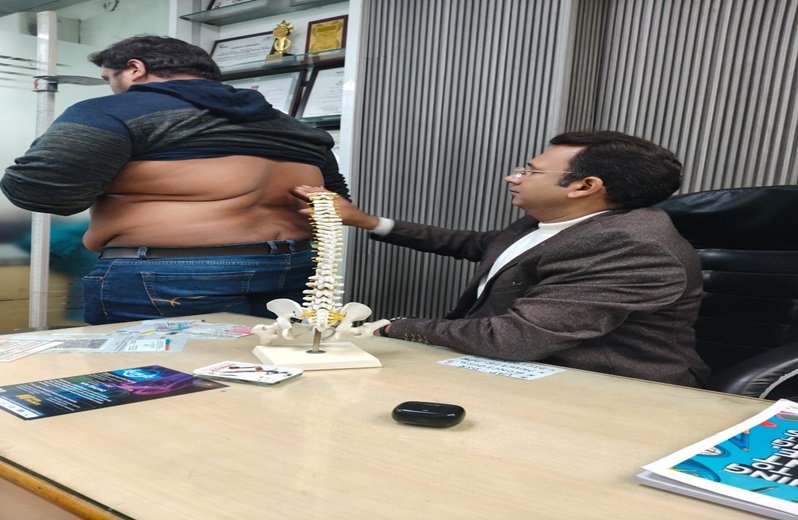
Are you one of the millions of people who deal with chronic back, joint, or muscle pain despite regular exercise, stretching routine, and following expert advice? You may have tried multiple methods like myofascial release therapy, massages, physical therapy, painkillers, and many other treatments, yet the pain doesn’t go away.
You may be worried and thinking if you’ll be able to live without pain ever in your life, because the relief seems impossible to you. But hold on, here is the twist: your chronic pain may have little to do with your muscles or joints.
Some medical research suggests that your gut health and chronic pain are interconnected. Here, your digestive system could be the main culprit, silently triggering inflammation and worsening your pain throughout your body. And a deeper understanding of this connection can help you find a new way to heal your pain– the one that goes beyond standard muscle-focused methods.
How Chronic Pain and Gut Health are Connected
Chronic pain has been treated as a problem of the muscles, joints or nerves for many years. Muscle tension, poor posture, and lack of exercise contribute to pain perception, but much research has proven that gut health also plays a surprising and essential role. When the digestive system doesn’t function as expected, it directly triggers inflammation and immune responses, exaggerating pain even in areas not connected to the gut, such as muscles, the neck, and joints.
In the roots of this connection lie the gut microbes– the collection of trillions of microorganisms (good and bad bacteria) living in your digestive tracts. These microbes help your body digest food, absorb nutrients, and control inflammation, then send the signals to your brain.
When this balance is healthy, your body works properly; when it is disrupted, it can lead to digestive problems, inflammation, and even chronic pain diseases in different parts of the body. It further triggers systemic inflammation, which often affects muscle, joints and even nerves.
In short, inflammation from gut dysfunction can intensify chronic pain, and an imbalance of gut microbes might increase sensitivity to pain signals. Even if your muscles are healthy, your gut is inflamed or imbalanced, it can induce persistent chronic pain.
Clear Signs your Chronic Pain is Linked to Gut Health
Not all chronic pain symptoms originate in the muscles; specific patterns may indicate that your chronic pain is connected to gut health. These signs suggest that only focusing on muscle-strengthening exercises, Myofascial release therapy, or painkillers can not help you identify the root cause. Here are the simple signs that your gut health may be causing chronic pain:
● Recurring digestive discomfort: Bloating, gas, or irregular bowel movements may go along with a sudden increase in joint or back pain.
● Food sensitivities: Some foods may trigger inflammation and worsen your pain.
● Unusual fatigue: Gut inflammation can have a direct impact on energy levels, leading to increased pain perception.
● Pain episodes after meals: Notice if your back pain or joint aches worsen after eating certain foods.
The Science Behind Gut Health and Chronic Pain
Do you know? Around 50% of people living with chronic pain also suffer from depression or anxiety. This also represents the strong connection between pain, mental health, and gut health. A 2020 study, “All disease begins in the (leaky) gut,” explains how changes in gut permeability, immune activation, and microbiome balance contribute to chronic diseases. Chronic pain linked to gut health is rooted in biological processes, as given below:
● Inflammatory response: A disrupted gut releases inflammatory molecules that circulate through the bloodstream, increasing pain sensitivity.
● Leaky gut: When the gut lining is compromised, toxins and bacteria can more easily enter the bloodstream, triggering inflammation.
● Nervous system interaction: The gut communicates with the brain through the gut–brain axis, and dysfunction can amplify pain signals. Many therapies and methods, like myofascial release therapy, can not work.
What are some Gut-Friendly Lifestyle Changes to Reduce Chronic Pain?
Improving your gut health can directly affect pain levels and overall well-being. Below are some foods and supplements that, when taken consistently even in small doses, can improve your gut health and mental health over time. Here are some gut-friendly lifestyle changes for better chronic pain management:
- Probiotics & Prebiotics
●Probiotics: These good bacteria balance the gut microbiome, and some basic sources of probiotics are yoghurt, kefir, and probiotic supplements. There are many supplements available online that are safe for vegetarians and can be taken by anyone with or without a doctor’s consultation.
● Prebiotics: Foods like garlic, asparagus, bananas, and oats are excellent choices of probiotics that feed beneficial bacteria.
- Anti-Inflammatory Foods
Certain foods reduce gut inflammation and ease pain, like Omega-3-rich foods (salmon, chia seeds, flaxseeds), Fibre-rich fruits and vegetables (berries, leafy greens, carrots) and spices with anti-inflammatory properties (turmeric, ginger).
- Gut Health Supplements
If you have chronic diseases, always consult your doctors. Health supplements that support gut health and recovery when the diet is insufficient alone, like:
● L-Glutamine helps in repairing the gut lining.
● Digestive Enzymes aid in the efficient breakdown of food.
● Probiotics help maintain the balance of the gut microbiome.
Real-Life Scenario:
A Delhi-based office worker, Ria, with lower back pain, experienced how her pain didn’t go away despite weekly workouts and physiotherapy. She searched for the best Osteopath clinic near me and booked a session where she discovered that certain foods, snacks and dairy trigger bloating and worsen her back pain.
By adjusting her diet and adding probiotic supplements, as suggested by experts, she experienced pain relief within a few weeks. This real-life example shows that chronic pain management often requires looking beyond muscles to other systems and areas of the body, such as the gut.
Conclusion
Chronic pain isn’t always just about muscles. While exercise, stretching, and therapies like myofascial release therapy, physiotherapy are important, they sometimes can not fully address the root cause. Research shows that your gut health plays an important role in managing inflammation and pain. They can affect everything from backaches to joint discomfort.

