

Are you still holding on to the misconception: “It’s just fat — it will go away over time”? If so, it’s time to change that thought first. Childhood obesity is more than a number on the weight scale. Today, many children are growing up with two silent challenges, i.e., obesity and poor posture. The reports from 2023 reveal that 160 million children aged 5–19 are living with obesity.
Being a parent, have you ever noticed how often kids are hunched over smartphones or sitting for hours at gaming consoles? If not, let us tell you, the rise of this condition is posing a major public health challenge due to the increased burden of chronic noncommunicable diseases.
This comprehensive guide explains everything about childhood obesity and the significance of posture correction. Follow this guide to plunge deep into the science and real-life implications of these prevalent challenges.
What is Childhood Obesity?
Obesity is commonly associated with various dysfunctions of the organism. Sometimes, it may include musculoskeletal problems, cardiovascular or metabolic disorders, and gastrointestinal or respiratory diseases. In simple terms, obesity is a condition of excessive body fat. Kids having this condition from their childhood have an increased risk for morbidity or premature mortality.
As per COSI, its prevalence in the past was 29% (found in boys) and 27% (found in girls) who are aged 7–9 years. Plus, the World Health Organisation defines childhood obesity as “abnormal”. This means there are millions of kids who are at risk for conditions.
One pediatric physiotherapist explains, “We often see children as resilient, but the truth is, obesity impacts their biomechanics. It alters posture, gait, and even spinal alignment”.
Common Risk Factors Associated With It
So, what leads to obesity in children? Obesity can occur due to an imbalance of energy intake and expenditure. In addition, there is a number of evidence indicating an individual’s genetic background as a determining factor in obesity risk. Genetics being the biggest factor, some studies have even found that BMI is 25-40% heritable.
Other less common factors include:
➔ Sedentary Lifestyle: Long hours on screen.
➔ Unhealthy Eating Habits: Eating processed food, sugary drinks, and fast food instead of nutritious, rich home-cooked meals.
➔ Lack of Outdoor Activity: Urban living, limited playgrounds, and safety concerns are lowering the opportunities for active play.
➔ Emotional Factors: Stress, low self-esteem, and peer pressure.
Clinical Connection Between Incorrect Posture in Children and Adolescents with Obesity
Body posture is highly variable. It further depends on factors like sex, age, psychophysical conditions, somatic type, ethnicity, and environment. An optimal posture is one with the pelvis in a mid-range position, slight lumbar lordosis, slight thoracic kyphosis, and the head in a well-balanced position.
Concerning the standing lateral view, the centre of gravity has to be anterior to the talus. The ear, hip, talus, knee, and shoulder should be perfectly aligned. Lastly, the posterior parts of the back, head, and gluteal muscles need to be vertically aligned. However, a correct posture leads to normal organ development, greater motor activity efficacy, normal muscle, joint, and ligament development, and skeletal growth.
On the other hand, puberty is characterised by an increase in body weight/BMI, fat gain, and chest and shoulder dimensions. Also, excessive fat and little to no physical activity could be due to long periods in a seated position and other school-related activities.
A Senior Physio Specialist at CareNcure points out, “We see a 60% higher prevalence of postural abnormalities in overweight and obese children compared to their normal-weight classmates”.
As a whole, it promotes postural habits like more-pronounced thoracic kyphosis, downward head positioning, rounded shoulders, increased lumbar lordosis (arched lower back), and Knee valgus (knock-knee).
How Bad Posture Affects Physical Activity?
At its core, it’s a vicious cycle! It goes like this: obesity leads to poor posture, which in turn limits physical activity, and, lastly, worsens obesity. When posture is compromised, physical effects are found mainly as impaired motor skills. Indeed, excessive weight has a negative impact on how one moves and enforces abnormal mechanics on the body that put pressure on the musculoskeletal structures (present to adapt to support the weight).
Incorrect posture affects a child’s balance, endurance, and coordination. Therefore, tasks like running, climbing stairs, or playing sports become difficult. A high body mass index has a detrimental effect on the spine because it must support excessive weight, which causes functional overloads in the muscles and other spine structures.
This results in an incorrect curvature of the thoracic or lumbar spine, causing the lower limbs to become misaligned. Additionally, these factors lead children with obesity to adopt incorrect postures to support the activities of daily life further.
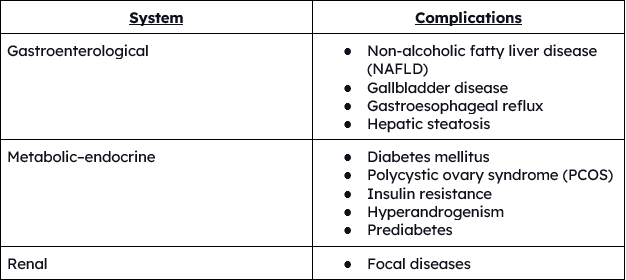
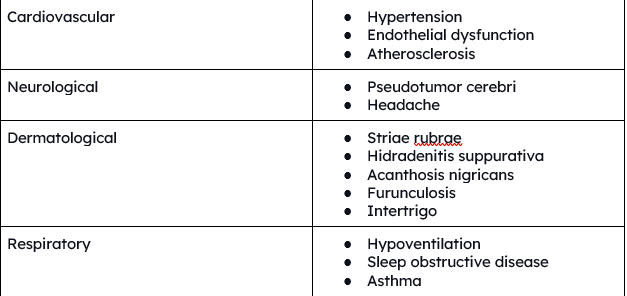
Obesity-Related Short and Long-Term Complications
There are numerous short and long-term complications that come with obesity, which include:
Therapeutic Exercise Benefits for Incorrect Body Posture
Concerning the growth of a child, incorrect posture demonstrates a negative impact on children and adolescents, especially on those with body weakness and the perception of physical defects. On that note, some physical exercise is needed for posture correction.
Therapeutic exercises involve a few specific movements that correct impairments, restore muscular or skeletal function, and maintain well-being. Require help? Look no further than care from a physiotherapist.
If you’ve ever searched “Clinic of Physio Near Me”, you’re already on the right track! Physiotherapists can design personalised exercise programs that focus on:
➔ Core strengthening to build support for the spine and abdomen.
➔ Stretch those tight muscles in the chest and lower back.
➔ Balance and coordination drills to improve control over the body.
➔ Posture-correction techniques to teach kids how to sit, stand, and move correctly.
➔ The implementation of fun games or activities to reintroduce movement in an enjoyable and non-pressuring way.
On top of that, doing regular physical exercises boosts self-esteem and helps children feel more in control of their bodies, both physically and emotionally.
The Significance of Infant Nutrition
They say, “The first 1,000 days of a child’s life shape the rest of their future”. And nothing defines those early days more than nutrition.
Now, we would like to ask you a question: “Have you ever wondered why paediatricians emphasise complete breastfeeding, or why newborns’ feeding schedules are so closely monitored? This simple answer is because proper nutrition during infancy results in the foundation for a lifetime of good health, strong immunity, and optimal brain development.
In today’s developed settings, it is often seen that formula milk–fed infants are greater in size (obese) and develop faster than breastfed infants. Wondering why? Higher quantities of milk and additional sources of energy are directly linked with a newborn’s weight gain and childhood BMI.
The transition from breastfeeding to solid foods starts around 6 months, which is often known as weaning. At this point in time, parents introduce textures, flavours, and vital nutrients that support continued growth. For instance, parents must include mashed fruits or vegetables, iron-rich foods like cereals, lentils, or puréed meats, and healthy fats like ghee or avocado for energy.
Quick Tip 💡: Make sure to avoid salt, sugar, and processed foods because babies’ kidneys are still developing.
Conclusion
Wondering why we are discussing childhood obesity and poor posture at the same time? While these may seem like separate issues, they are deeply connected. However, by addressing one, we can simultaneously improve the other. We understand that things get quite difficult when dealing with kids, but with some extra efforts, proper posture correction programs, physiotherapy, and lifestyle changes, children can rediscover movement.
So, next time you notice a sign of poor posture in your child, what should you do? It might be a time to search for a Clinic of Physio Near Me and start your kid’s journey toward better health.

