

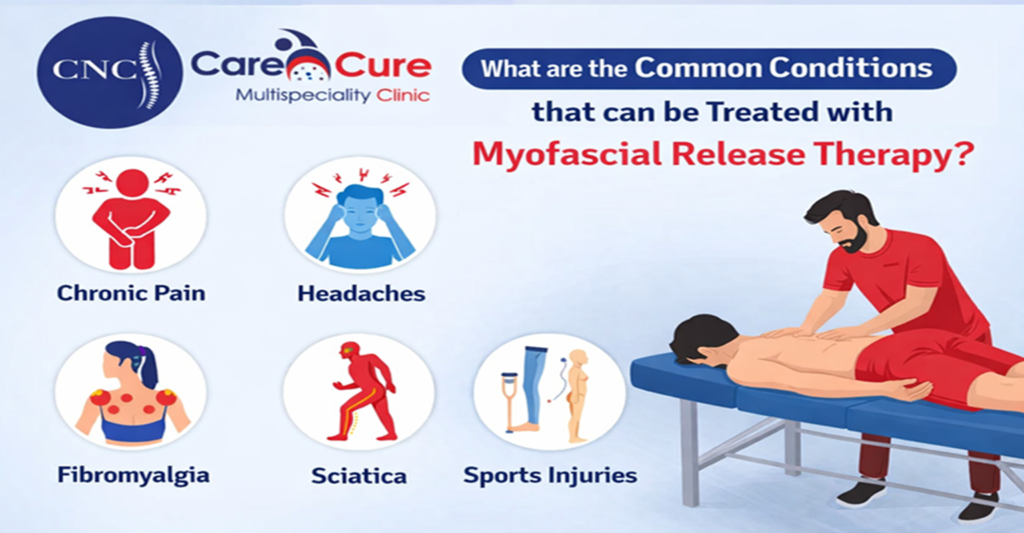
Chronic pain affects around 19-37% of adults in India, which is badly impacting mobility and quality of life, especially among older adults. Most people think pain comes where you feel it, but it’s not true.
According to the best chiropractic services clinic in Anand vihar, tightness, stiffness, and deep aches are often linked to limitations in the fascia — the thin, multi-layered connective tissue that surrounds muscles and organs. When these fascia tighten or become inflamed due to stress, injury, or poor posture, they often lead to limited movement and cause discomfort. That’s where myofascial release therapy can help.
In this hands-on technique, the therapist uses gentle, sustained pressure to release tension in the fascia, restore mobility, and reduce pain. It’s a simple but highly effective holistic method that can treat multiple conditions. In this blog post, you’ll explore the most common issues that can be managed with myofascial release therapy.
- Chronic Back Pain and Neck Pain
The lifestyle nowadays requires more sitting, whether it’s working on screens or just scrolling social media on a phone. Most of the adults complain nowadays about back and neck pain due to poor lifestyle habits. Tight fascia around the spine and shoulders can restrict movement and create persistent discomfort.
Myofascial release loosens these tight areas and improves flexibility while reducing pressure on surrounding muscles. Over time, it can also make your everyday movements, like turning your head or bending, feel easier and pain-free.
- Fibromyalgia
Fibromyalgia is widely known for widespread pain, fatigue, and tender points across the body. Traditional treatments don’t always provide consistent relief, which is why many people are now turning to manual therapies like myofascial release therapy. It works gently on sensitive areas to reduce the pain intensity and improve overall comfort. Regular sessions also support better sleep and reduce muscle stiffness.
- Sports Injuries
No matter what you’re dealing with, whether it’s a strained muscle, ligament injury, or overuse issue, sports injuries— all these often lead to tight and restricted fascia. Later, this can slow down recovery and increase the risk of re-injury in the future.
Myofascial release therapy helps improve blood flow, reduce scar tissue buildup, and restore normal movement patterns. Many athletes often use it as part of their recovery routine to heal faster and perform better.
- Postural Problems
Sometimes, poor posture, like slouching or a forward head position, can create imbalances in your body. Have you ever noticed yourself while using your phone? That posture is dangerous when ignored for a long time. Over time, this leads to tightness in certain muscle groups and weakness in others.
Myofascial release therapy realigns the body by releasing tension in areas that are overworked. It also supports better posture without forcing the body into uncomfortable positions. In the past few years, searches for “Myofascial Release Therapy Near Me” have increased, especially in metro cities, indicating its growing popularity.
- Headaches and Migraines
Many people have experienced tension in the neck, shoulders, and upper back, which has further caused headaches or migraines. Many people don’t realize that tight fascia in these areas can restrict blood flow and irritate nerves.
Myofascial release mainly focuses on these tension points to lower the frequency and intensity of headaches. It’s a drug-free option that can be more effective when combined with other treatments.
- Frozen Shoulder (Adhesive Capsulitis)
Frozen shoulder causes stiffness, pain, and limited mobility in the shoulder joint, which can even make simple tasks like lifting your arm or getting dressed difficult.
Myofascial release therapy stretches and loosens the fascia around your shoulder and gradually improves mobility over time. Even when the healing might be slow, consistent therapy sessions can help you move easily and relieve your pain.
“Myofascial release doesn’t just ease pain—it restores freedom of movement and helps your body heal from the inside out.”
- Sciatica
When the sciatic nerve is compressed, you may feel pain, numbness, or tingling sensations radiating from the lower back down one leg, which is known as sciatica. Tight fascia around the hips and lower back can contribute to this pressure.
When these tight areas are loosened and nerve compression is reduced, it improves overall comfort. Many people who undergo myofascial release therapy experience less pain and better flexibility after a few sessions.
- Carpal Tunnel Syndrome
Repetitive hand and wrist movements from activities like typing or using devices constantly can lead to carpal tunnel syndrome. This condition causes numbness, tingling, and pain in the fingers or entire hand.
Myofascial release therapy targets tightness in your body parts, like the forearm and wrist, to relieve pressure on the median nerve, which can act as an addition to ergonomic adjustments and exercises.
- Temporomandibular Joint (TMJ) Disorders
Jaw pain, clicking sounds, and chewing difficulties are common symptoms of TMJ disorders. Tight fascia in the jaw, neck, and face can make these symptoms even worse.
Gentle myofascial techniques can help relax these areas to improve jaw movement and reduce discomfort. It’s especially effective for people who clench their teeth due to stress.
- Post-Surgical Recovery
After surgery, scar tissue can again form and restrict movement, which leads to stiffness, discomfort, and limited mobility in the affected area. In this case, myofascial release helps soften and stretch scar tissue while promoting better healing and flexibility. It supports the body’s natural recovery process without adding unnecessary strain.
Why Myofascial Release Therapy is Effective
There are many techniques that involve forceful or quick movements, but myofascial release focuses on slow, sustained pressure that allows the fascia to relax and return to its natural state. The therapy targets symptoms while addressing the root cause of tension in the body.
Another key benefit of myofascial therapy is that it’s non-invasive and adaptable. Whether you’re dealing with chronic pain or simply recovering from an old injury, this therapy can be adjusted based on individual needs.
Final Thoughts
Myofascial release therapy is a simple and effective way to manage multiple conditions, from everyday aches to complex issues like fibromyalgia or sciatica, helping you move without restriction and function your body better.
The goal is not just to relieve the pain but to get comfort for the long term and improve the overall quality of your life so you don’t have to suffer again. And with the right guidance and consistent efforts, this holistic therapy can become a valuable part of your overall wellness routine.
If you’re looking for the best chiropractic clinic or physiotherapy clinic in Delhi NCR, consider visiting Carencure Chiropractic Clinic for effective treatment of your pain or mobility issues.

