
Searches for physiotherapy services, especially neck pain treatment, have been rising, and it is not hard to see why. The majority of people are looking for ways to recover from pain and movement issues without immediately turning to surgery or medication. Physiotherapy has become a trusted option for exactly that.
And no, physiotherapy is not limited to just three or four conditions. It can help with a wide range of problems that affect your daily life. Let’s go through 10 conditions that physiotherapy professionals treat regularly and see how physiotherapy can help people move and function better.
- Back Pain
Back pain is one of the most common reasons people visit a physiotherapist. It can develop because of sitting or standing in poor posture, working for more hours, doing heavy lifting, muscle strain, or age-related changes in the spine.
Take physiotherapy treatment to reduce pain, improve flexibility, and strengthen the muscles that support your spine. If your back pain is related to a spinal condition, search for slip disc physiotherapy near me to get professional help instantly at a nearby clinic.
- Neck Pain
Do you spend hours looking down at your phones or sitting in front of computers? Then you may also be dealing with headaches, stiffness, or pain that radiates into your shoulders.
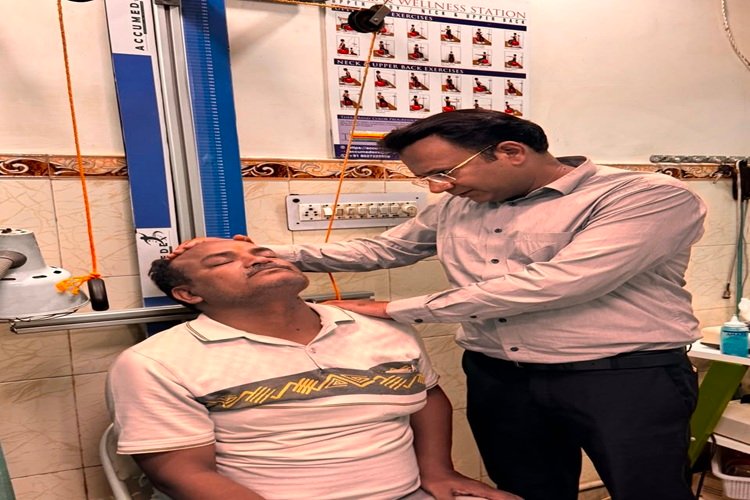
Your habit of constantly sticking to phones and systems puts extra stress on your neck muscles and joints, which leads to this discomfort. With the right exercises and hands-on therapy for your neck pain treatment, you can gradually return to normal activities.
- Sciatica
Sciatica occurs when the sciatic nerve becomes irritated or compressed. You may experience pain that travels from your lower back down through your leg. Some people also notice tingling, numbness, or weakness.
Stretching exercises, strengthening programs, and movement correction techniques are involved in the physiotherapy treatments to relieve pressure on the nerve. In some cases, patients looking for slip disc physiotherapy near me discover that a slipped disc is contributing to their sciatica symptoms.
- Knee Pain
People of all ages can be affected by knee pain. You might develop it after a sports injury, due to arthritis, or simply because of repeated strain over the years.
Physiotherapy treatment assists you in strengthening the muscles around your knee, improving joint stability, and reducing pain. A customised treatment is planned according to different patients and the level of discomfort to help you stay active without placing unnecessary stress on the joint.
- Arthritis
Living with arthritis can be frustrating. Joint stiffness, swelling, and discomfort can make everyday tasks challenging. Many people assume they simply have to live with it, but physiotherapy can be your saviour here.
You may be prescribed exercises to improve joint movement and strengthen the surrounding muscles. This helps support the affected joint and may reduce discomfort during daily activities.
- Shoulder Injuries
Shoulder injuries can happen because of sports activities, repetitive movements, falls, or age-related wear and tear. Issues such as frozen shoulder, tendon injuries, and rotator cuff problems are commonly treated through physiotherapy.
To improve this condition, your therapist may use a combination of stretching, strengthening exercises, and manual therapy techniques. With regular treatment, many patients gradually move more comfortably and notice improvements in flexibility and everyday activities.
- Sports Injuries
From professional athletes to people who exercise occasionally, sports injuries can happen to anyone. Sprains, strains, ligament injuries, and muscle tears are common examples.
Physiotherapy not only helps you recover but also works on preventing future injuries. Through guided rehabilitation, you can improve strength, flexibility, balance, and overall performance.
- Postural Problems
Poor posture has become a common issue these days due to desk jobs, remote work, and many spending more time using electronic devices. No wonder complaints of neck stiffness, back pain, shoulder tension, and frequent headaches have risen.
A visit to a physiotherapist is the only way to recover here. They assess your posture and identify habits contributing to these problems.
You are prescribed corrective exercises, ergonomic advice, and movement training, which can help you improve your posture and reduce strain. Early neck pain treatment prevents complications related to poor posture that can be long-term.
- Neurological Conditions
Physiotherapy is not only for muscle and joint problems. It also plays an important role in helping people manage neurological conditions such as stroke, Parkinson’s disease, and multiple sclerosis.
Every program is tailored to the individual’s abilities and what needs to be targeted to help them maintain the highest possible quality of life.
- Post-Surgical Rehabilitation
Recovering after surgery takes time, and physiotherapy can play a big role in helping you get back to your normal routine. It does not matter if you have had a joint replacement, ligament repair, or spinal surgery. The right rehabilitation plan can support a smoother and more comfortable recovery.
With the help of a physiotherapist, you can gradually improve your movement, rebuild strength, and work on reducing stiffness. For people recovering from spine-related surgeries, searching for slip disc physiotherapy near me is a common step towards finding the right rehabilitation support.
Don’t Wait for the Pain to Get Worse. Visit Care N Cure Chiropractic Clinic Today
With years of experience in physiotherapy, chiropractic care, and rehabilitation, the team of Care n Cure is committed to assisting you in recovering safely and getting back to your daily routine.
Can’t make it to the clinic? No problem. We also provide home physiotherapy services for most conditions, including neck pain treatment, so you can receive the treatment from the experts in the comfort of your home.
Getting started is simple. You just need to visit our website, give us a call, or book an appointment with our team. The sooner you seek treatment for your condition, the sooner you can recover from it. Contact Care N Cure Chiropractic Clinic today and take the first step towards recovery.
FAQs
Q1. Does it hurt during physiotherapy treatment?
A: You may experience a little discomfort when your physiotherapist works on tight muscles, stiff joints, or injured areas. But don’t worry, your comfort is always a priority. Your physiotherapist will keep checking with you throughout the session and adjust the treatment if you experience too much pain.
Q2. Do you have female physiotherapists?
A: Yes, female physiotherapists are available. If you are more comfortable receiving treatment from a female physiotherapist, you can request one while booking your appointment with us.
Q3. Does pain increase after physiotherapy?
A: You might notice slight soreness after your session, especially when your body is adjusting to new exercises. But you don’t need to worry about it, as these are the signs your body is responding to the treatment.
Q4. How long should you rest after physiotherapy?
A: It’s pivotal to give your tissue a rest of at least 24 to 48 hours after you come back from a physiotherapy session. In most cases, you can return to your normal routine shortly after treatment while following your physiotherapist’s advice.
Q5. Do physiotherapists use any equipment for treatment?
A: Yes, your physiotherapist may use equipment such as resistance bands, exercise machines, ultrasound therapy, electrical stimulation devices, or rehabilitation tools. It’s not always necessary for all kinds of physiotherapy treatment, but for some conditions it can help with recovery.

