
India is doing really well in sports, with athletes giving their best and breaking new records in many games. As more of our gaming idols start focusing on fitness, the idea of sports injury physiotherapy is also becoming more common.
As you can see, many people are now visiting trusted centres like Care n Cure for proper recovery and a safe return to their activities. These centres focus on reducing pain, improving movement, and rebuilding strength so the body can get back on track.
Still, physiotherapy has its limits. It works very well for many injuries, but some conditions may need medical treatment or surgery. In this blog, we’ll break down what physiotherapy can help with, where it may not be enough, and how to choose the right recovery approach.
What Is Physiotherapy and How Does It Support Recovery
Physiotherapy is a treatment in which a trained physiotherapist uses physical methods such as guided exercises, manual therapy, posture correction, and movement training to help people recover from injury or pain. Curious about how it works? Here you go:
● A trained physiotherapist first understands how your body moves, your posture, and the nature of your injury.
● Based on this, a personalised recovery plan is created according to your daily life.
● This plan may include hands-on treatment, simple but focused exercises, and small adjustments you can also practice at home.
Today, many people prefer non-surgical options like slipped disc treatment without surgery as part of a structured rehabilitation process.
Common Techniques Used in Physiotherapy
The right techniques guide your recovery in a steady and practical way. In sports injury physiotherapy, each method supports healing, improves movement, and helps you return to your routine with better control and confidence.
● Manual Therapy
In manual therapy, your physiotherapist will use their hands to perform specific movements on your joints and muscles. This assists in the reduction of stiffness and improvement of mobility. Manual therapy will help joints move better, relieve areas that are tight, and help your body become more responsive to other treatments and to exercise.
● Exercise Therapy
As a part of your rehabilitation, a physiotherapist will determine a specific exercise regimen that is designed to address your injury and level of strength. The movements will help to develop muscle support, improve balance, and restore stability. With practice, your body will adapt, smoothing and controlling your movements during daily activities.
● Electrotherapy
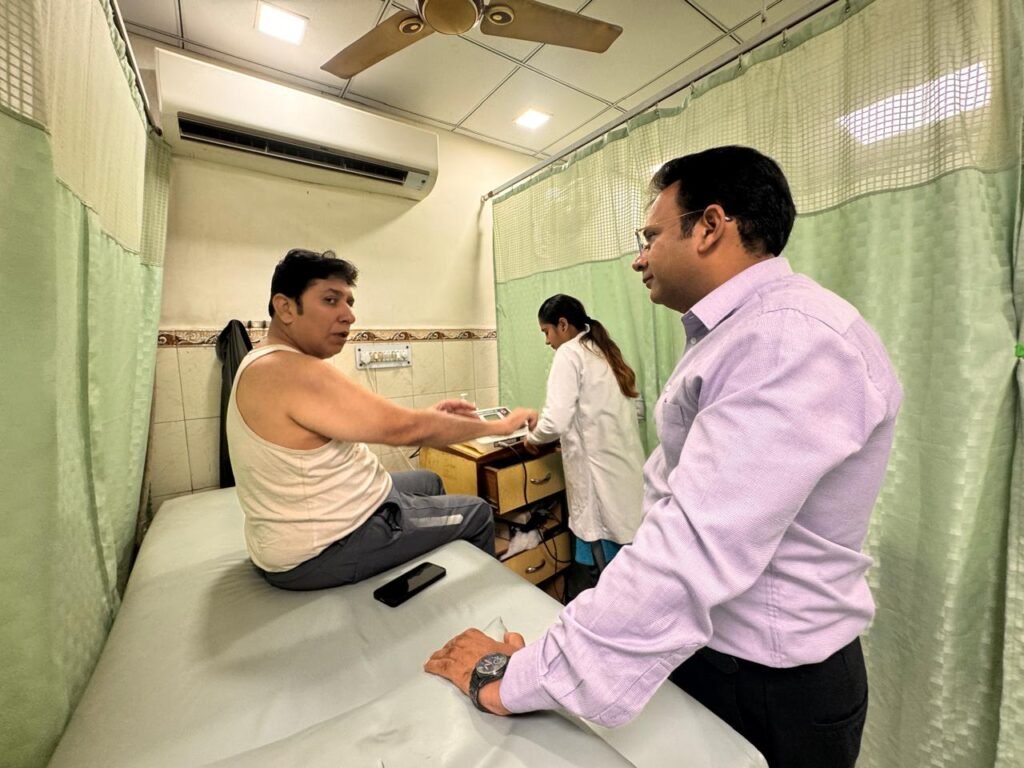
In the injured area, small electrical impulses are administered via pads applied to the skin. This is helpful during the early and mid stages of recovery to reduce pain, improve circulation, and stimulate repair of the injured tissues.
● Dry Needling and Taping
Using thin needles, tight muscles are targeted to remove the muscle tension. Taping is also applied to the supporting muscles and joints to reduce strain during movement. Both methods are used in conjunction to increase support and improve flexibility during the recovery phase.
Common Sports Injuries Physiotherapy Can Fix
It’s honestly good to see how physiotherapy is getting the attention it needs in India, all thanks to the growing sports culture around us. If you have been curious about what sports injury physiotherapy can really fix, the pointers below will give you a clear picture.
● Muscle Strains and Ligament Sprains
When you are running or working out, it is common to twist your ankle or stretch a ligament the wrong way. It may seem small at first, but you should not ignore it; otherwise, it can get worse with time.
The issue can easily be fixed through sports injury physiotherapy, in which the physiotherapist first checks the injured area and understands what exactly has gone wrong. Based on that, you are guided through simple movements to reduce pain and swelling. Then, you are given exercises that help you move the area properly again.
● Knee Injuries (Non-Surgical Cases)
Another common issue that a sportsman usually faces is knee pain. Well, the problem needs to be taken into consideration when it starts to interfere with simple things like walking, climbing stairs, or even sitting comfortably.
Though the reason can be overuse, poor movement, or minor injuries, a physiotherapist knows how to fix it right. They prescribe you with movements and exercises to build muscle strength around the knee, improving stability and restoring smooth movement without rushing into surgery.
● Shoulder Injuries
The shoulder can also be affected by heavy workouts you do, and thus, even simply lifting your arms or carrying a bag can become extremely difficult. To recover from it, you are required to perform guided movements under the supervision of a physiotherapist. With sports injury physiotherapy, your shoulder gradually starts moving in a more controlled and natural way.
● Back and Spine Issues
Those mild slipped disc cases are another common injury faced by sportspeople in their daily routine. And as said, physiotherapy contributes here, too. The expert guides with correct posture that builds core strength, and the person starts to move safely under slipped disc treatment without surgery.
● Tendon Injuries
Tendon injuries that cause pain in your elbow while lifting or discomfort in your heel while walking. It builds up from repeated strain. Sports injury physiotherapy can be an important approach here as well.
The physiotherapist provides you with planned exercises that reduce pressure on the tendon and build strength around it. And the result? You get back to your activity without constant strain holding you back.
Note: Recovery is never instant, and it completely depends on how early you start, how consistently you follow your plan, and how serious the injury is.
Sports Injuries Physiotherapy Cannot Fully Fix
There’s no doubt in saying that physiotherapy plays a strong role in recovery, but there are certain injuries where it cannot fix the problem completely on its own. In such cases, medical treatment or surgery becomes necessary before sports injury physiotherapy can step in to support healing.
● Complete Ligament Tears
In some serious cases, ligaments like the ACL or PCL can tear completely, and the joint loses stability. Simple movement is unsafe or painful in that case, and exercises alone are not enough to repair the ligament.
Hence, surgery is required to rebuild or replace it. After that, physiotherapy becomes an important part of recovery. You are guided through step-by-step movements that help you regain strength, balance, and confidence in your joints.
● Complex Fractures and Bone Injuries
When a bone breaks into pieces or shifts out of place, it needs proper medical care first. Physiotherapy cannot heal broken bones, but it plays a big role after the initial treatment.
Once the bone starts healing, you are helped with safe exercises to restore movement, reduce stiffness, and build strength around the injured area so you can return to your routine gradually.
● Advanced Joint Damage
Injuries that involve severe cartilage loss or long-term joint damage take more than just guided exercises. Late-stage arthritis is one such example where the joint condition has already progressed too far.
At this stage, physiotherapy can assist you in managing your pain and improving mobility to some extent, but it cannot reverse the damage completely. You will be required to undergo medical treatments or procedures to deal with the root issue. After that, physiotherapy is indeed necessary for the recovery of movement.
● Chronic Untreated Injuries
When you avoid even a small injury for a long time, it can surely turn into a bigger problem. It may seem manageable at the beginning, but it can become constant, and you may be restricted in doing many common activities.
When an injury reaches this stage, physiotherapy alone may not be enough to fully resolve it. You need a detailed medical check to understand the full extent of the damage. After that, physiotherapy becomes vital to regain strength, correct movement patterns, and slowly get back to an active routine.
Get Back in the Game with Care n Cure Sports Injury Physiotherapy
Sports injury recovery is not something you should delay or manage on your own. You should take action promptly and get in touch with Care n Cure Chiropractic Physiotherapy Clinic in Krishna Nagar.
It is a trusted pain management and rehabilitation centre. The clinic offers sports injury physiotherapy, chiropractic care, slipped disc treatment without surgery, posture correction, and structured recovery programs for muscle and joint issues.
Along with clinic visits, home physiotherapy support is also available if it is difficult for you to travel. So if pain is slowing you down, don’t ignore it. Book your session today and start recovering the right way.

