

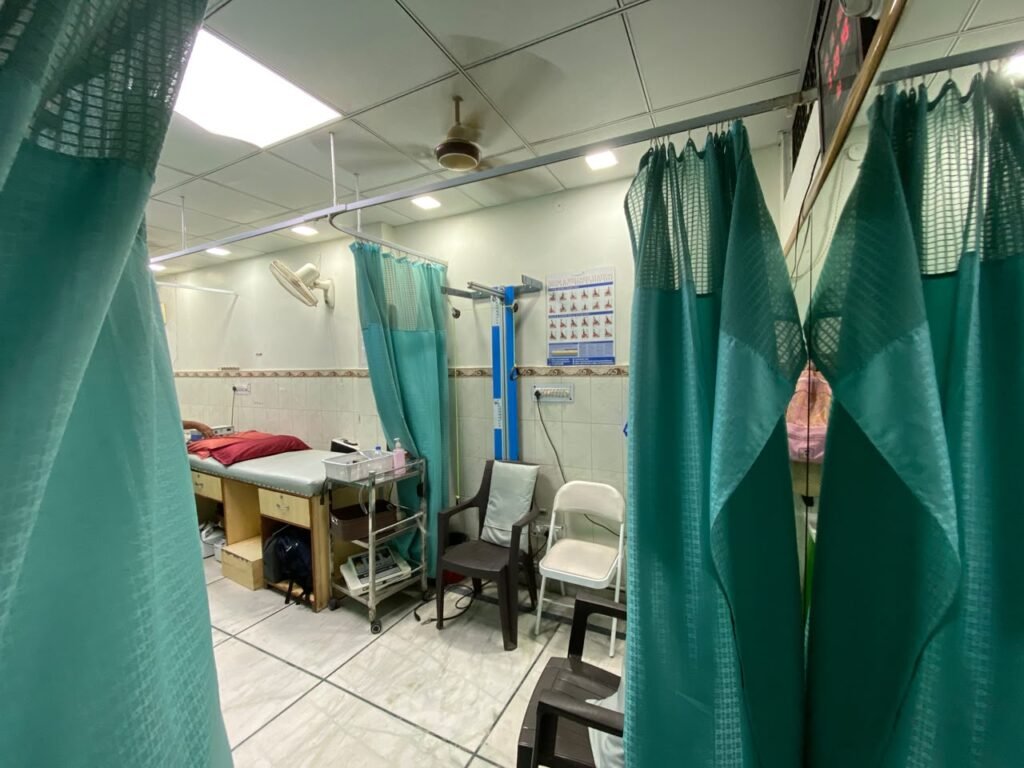
If you are done bearing sciatica pain and have started typing “Physiotherapy for Sciatica Pain in East Delhi” or “Physiotherapy Near Me” in your search bar. Then you have landed on the write page. This guide helps you understand what sciatic pain is, its causes, symptoms, therapies and most importantly helps you decide which physiotherapist would be best for your treatment.
What is Sciatica?
Sciatic pain occurs when your sciatic nerve is either compressed or irritated. This pain occurs in the lower back, butt, or leg. Due to this pain you can either feel numbness or tingling.
Symptoms
● Sharp, intense, or shooting pain that spreads from your lower back down to your buttocks and leg
● Numbness or “pins and needles” tingling sensation in the leg or foot.
● Muscle weakness makes it difficult to move your leg or foot.
● Pain that worsens after coughing, sneezing, or sitting for a long time
Common Causes
Let’s understand some of the common causes of sciatica pain.
● A herniated (slipped) disc in your spine, pressing on the nerve roots
● Spinal stenosis is the narrowing of the spinal canal.
● Bone spurs or arthritis in the spine
● Pregnancy causes physical changes and pressure.
Why Physiotherapy Is a Smart First Step for Sciatica Pain
Physiotherapy is considered as one of the smart steps for sciatica pain, as it treats the mechanical cause of nerve compression and not just masks the symptoms with medication.
● Target Root Causes: Physiotherapy treatment targets the root cause of the pain. It pinpoints and relieves pressure on the sciatic nerve caused by disc issue, tight muscles, or spinal stiffness.
● Builds Supports: This therapy treatment helps in strengthening the core and hip muscles which helps in stabilizing the lower back.
● Restores Movements: With the help of guide stretches and low-impact movement it reduces the inflammation and further improves flexibility.
● Correct Mechanics: It also teaches us about the safe sitting postures, lifting heavy objects and ergonomic adjustments which are helpful in our day to day lifestyle.
● Avoids Invasive Steps: Physiotherapy treatments serve as the non-surgical and safe treatments which helps most of the patients to recover with the help of needle or surgery.
How Physiotherapy Treats Sciatica Pain
● The first goal of sciatica treatment is to reduce pain. Manual treatment, dry needling, nerve stretching, and spinal mobility reduce nerve sensitivity.
● Following a specific rehabilitation strategy to maintain effects and prevent recurrence. Proper sciatica treatment is systematic. Our main goal is to relieve your pain, but our meticulous recovery process ensures that our outcomes are unsurpassed and your symptoms don’t return. You strengthen your lower back and legs by exercising them. This is vital since it helps your body handle regular stress and leisure activities.
● If you have moderate to severe sciatica, you may feel weak when the pain subsides, making daily tasks tougher. A thorough physiotherapy evaluation can diagnose and teach you how to fix it.
● Advice on how to stand, sit, and move, as well as the proper amount of activity, to improve your symptoms and keep comfortable while the treatment works.
How Long Does Sciatica Recovery Take?
With the right physiotherapy care, most cases of sciatica go away in 4 to 8 weeks. It might take longer if the signs are worse and include numbness, tingling, and muscle weakness.
Surgery isn’t usually needed for sciatica, but it may be when there is severe nerve damage, like when the saddle area loses its feeling or when bladder or bowel control is severely hampered.
How can we diagnose Sciatica?
Sciatica can be diagnosed by the medical history or the physical exams taken by your physiotherapist. To find out the exact cause of your pain, your therapist will do a number of physical tests on you. These will include tests of your muscle strength, nerve movement, and lumbar range of motion.
Your therapist will understand about your medical history and whether you have a fever, an injury, or problems controlling your bowels or urine. These questions are important to answer because if these signs are present, the reason for your sciatica could be something more serious, like a broken bone, an infection, or even cancer. But these don’t happen very often.
When to seek medical help for Sciatica Pain?
You should seek medical help if your sciatica pain is accompanied by sudden leg weakness, groin numbness, or a loss of bowel and bladder control. As these are some of the major signs of severe nerve compression. It’s recommended to schedule regular therapy sessions if self-care sessions do not ease your symptoms within a week.
● Chronic trauma
● Saddle Anesthesia
● Leg Weakness
● Bladder or bowel changes
● Infections or cancer symptoms
Searching for “Physiotherapy Near Me”? Here’s What to Look For
When searching for “physiotherapy near me,” your top focus should be to find a clinic or home-care provider who meets your medical needs, budget, and lifestyle. Best physiotherapy is necessary for recovering from injuries, managing chronic pain, or recuperating following surgery.
Key Elements to Look For while looking for best physiotherapy in East Delhi
● Therapist Qualifications and Specializations: Ensure that the therapists are licensed experts. Look for specialist knowledge that is specific to your illness, such as Orthopedic Rehabilitation (bones and joints), Neurological Physiotherapy (stroke or Parkinson’s), or Sports Injury Rehab.
● Comprehensive Treatment Modalities: A premier centre should provide a comprehensive range of therapies in addition to simple stretching. Look for Manual Therapy (joint mobilization), Electrotherapy (IFT or laser therapy), and sophisticated procedures like Dry Needling or Kinesio Taping.
● Personalized Care Plans: Avoid centres that use a one-size-fits-all strategy. The provider must do a thorough first examination before designing a program that tracks your individual rehabilitation goals.
● In-Clinic vs. Home Care Convenience: Consider whether you need a fully equipped facility with a functional training gym, or if you need home visit services owing to severe mobility limits or post-surgical recovery restraints.
Why Choose CarenCure Chiropractic for Sciatica Treatment in East Delhi
We know how hard it is to live with sciatica at Care N Cure Clinic in Krishna Nagar. It has been shown that it can make a simple walk hard. People have gotten their days back.
What you can look forward to from us:
● A personalized plan for healing. We don’t believe in care that is the same for everyone.
● The root-cause method. We try to figure out why the pain began instead of just where it is.
● Natural, non-surgical ways. Our care is based on safe therapies that have been shown to work.
● There is physiotherapy and chiropractic care all in one place. This lets us see both your spine and how you move at the same time.
● Helpful, friendly direction. No matter what question you have, we’ll answer it.
● An easy-to-reach spot in East Delhi. It’s easy to get to if you live or work nearby.
Back pain, slip discs, balance problems, and sports injuries are some of the other problems we treat. You don’t have to go from clinic to clinic if your pain is spread out over more than one area.
Are you ready to stop curing your leg pain?
You can call us at 9810717350 / 7042172517 or
Use our website https://carencurechiropractic.com/ to make an appointment.
FAQs
- Is sciatica 100% curable?
You can cure your sciatica pain with proper treatments and therapies.
- What food should I avoid in sciatica?
Inflammatory foods such as refined oils, sugar, trans fat, and processed meats which can worsen nerve inflammation should be avoided.
- When should I seek medical help in sciatica?
If you have started losing your bladder and bowel control, then you should immediately seek medical help.
- Is it worth going to a physiotherapist for sciatica?
Yes, an expert physiotherapist can help in reducing pain, identifies the root mechanical cause, and prevents future flare-ups
- How long does it take for a therapy to fix sciatica pain?
Most people notice meaningful pain relief from physical therapy within 4 to 6 weeks, with a full course of rehabilitation lasting 6 to 12 weeks

