

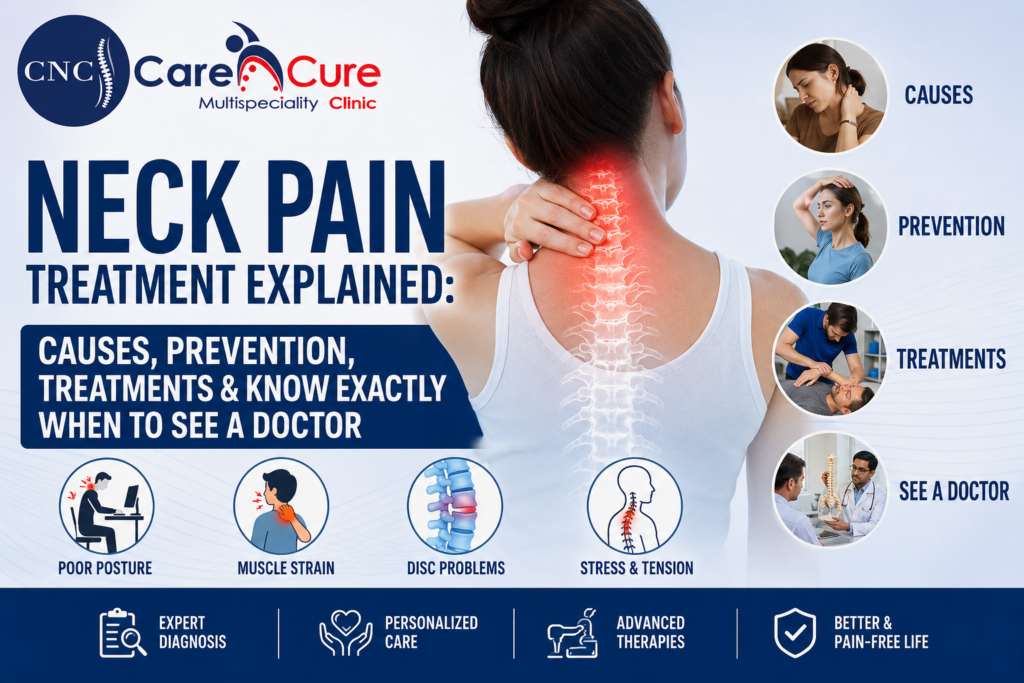
Are you tired of neck pain that is holding you back and interfering with your daily activities? You’re not alone; many people are experiencing the same every day. Do you know? Neck pain is one of the most common musculoskeletal complaints worldwide. As more people get addicted to their screens, the problem is rapidly becoming worse, even after trying various neck pain treatments.
In 2020, around 203 million people globally were living with neck pain, which became a primary contributor to disability and reduced life quality. According to a recent survey, neck pain is more common in women than in men, especially in middle and older age (ages 50–74).
You’ve already tried random stretches and taken painkillers, but the pain keeps coming back as if it’s your old friend. However, you don’t need to worry at all because with the right mindset and knowledge, you can change your story.
In this guide, you’ll explore what neck pain really is, common causes, effective neck pain treatment options (home and clinical), prevention tips, and when to seek professional care. Whether you’re dealing with your first neck pain episode or a recurring problem, you’ll walk away with clear, evidence-based solutions after reading this blog post.
Things You Should Know: What is Neck Pain?
Neck pain is persistent discomfort or aching in the cervical spine (your neck or surrounding area) that might come from muscles, joints, discs, nerves, or even bones. It could be a nagging sensation that makes turning your head uncomfortable, or a sharp, shooting pain, constant tightness, or even muscle spasms. In some cases, you may also experience radiating pain or numbness down the arm.
From the soft tissues to the bones of your neck, every part of your neck plays a vital role in how your head moves, turns and stays balanced. When these areas are strained, inflamed, injured, or even slightly worn down (due to poor posture, repetitive movement, or ageing), the neck can hurt and even affect its movement.
Modern lifestyles, where people often spend long hours sitting at desks or looking down at phones and computers, put extra strain on neck muscles and joints, making neck pain very common nowadays.
Neck pain is usually not serious and can be treated with movement, posture correction, and gentle care; however, if it persists for longer or becomes severe, then you need professional neck pain treatment.
We know life doesn’t always go the way we plan, and sometimes neck pain just shows up like an old friend— it’s part of being human and completely normal. All you need is a little understanding and the right support to help your body heal– one step to a healthier and happier life.
What are the Common Causes of Neck Pain?
Neck pain can result from several everyday activities, injuries, or changes in body posture over time. The neck is the supporting structure for your head and allows movement; even a small stress on the neck can lead to severe discomfort, and you might need proper neck pain treatment.
When you understand these common triggers, you can prevent pain and seek the right neck pain treatment when needed. Most common causes of neck pain include:
- Poor Posture & ‘Tech Neck’
Spending long hours with hunched shoulders in front of phones, tablets, or computers, also called “tech neck”, usually forces the head forward and strains the muscles, ligaments, and joints of the neck. This strain naturally grows over time and leads to chronic stiffness and discomfort.
- Muscle Strain & Overuse
Repetitive neck movements, holding the same neck posture for long periods without breaks, heavy lifting or sports activities during workout or even incorrect sleeping positions can affect your neck muscles and lead to soreness, tension, or tightness.
- Injury & Trauma
Sudden jerking motions from car accidents, falls, or direct blows can severely strain soft tissues in the neck or surrounding body parts and trigger the pain. However, it can be treated with physiotherapy or other neck pain relief methods used by healthcare professionals.
Many clinics offer “home physiotherapy” where you can easily book a physiotherapy session from their website. For example, if you’re living in Preet Vihar, Delhi, you can search terms like “Physiotherapy Near Me in Preet Vihar.
- Structural Changes and Wear Related to Ageing
Additional Tips:
Sometimes the discs and joints in your cervical spine can wear down as you age. There are some conditions, like cervical spondylosis (arthritis of the neck) and degenerative disc disease, which might cause pain, stiffness, and affect neck mobility over time. These structural changes are a natural part of ageing and can be painful if the space between vertebrae becomes less cushioned.
Fact: If you spend more than six hours a day sitting, you are much more likely to develop neck pain, especially if the screens cause your head to sag forward.
Prevention: Simple Tips to Prevent Neck Pain
Everyone knows prevention is always better than a cure. You can prevent neck pain with small daily habits and keep the muscles strong, flexible and healthy. Here are some simple ways to stop neck pain even before it starts affecting your life:
- Posture awareness: Be aware of your posture throughout the day. Keep your shoulders relaxed, align your head with your spine, and elevate screens to your eye level to reduce neck strain.
- Decrease the amount of time spent sitting: Stay active, avoid prolonged sitting (or reduce sedentary time), and take frequent breaks to adjust your posture if you’re in a desk job.
- Move more: Gentle exercises, movement, and quick stretches throughout the day can help prevent neck stiffness. These are the best holistic neck care methods for neck discomfort. No neck pain treatment will work without regular movement.
- Adjust your sleep habits: Make sure you use a supportive pillow that better suits your sleeping style. Avoid sleeping on your stomach.
- Maintain a healthy routine: Choose daily habits and routines that promote a healthy lifestyle and wellbeing. Hydrate yourself from time to time, and strengthen the shoulder and core muscles that support your neck.
Effective Neck Pain Treatment (Home Remedies & Medical)
Research shows that sedentary behaviour and increased screen time increase the risk of neck pain due to sustained muscle tension and postural imbalance. On the other hand, many other reasons might cause ache in the neck– lifestyle/strain-related cervical pain, age-related or structural issues, injuries or other.
Although many healthcare professionals agree that combining home care (movement, posture, heat/ice) with professional treatments (physical therapy, medications, manual therapy) offers the best chance of lasting neck pain relief.
There are several effective treatments for neck pain: home remedies & lifestyle changes, as well as research-supported medical/professional treatments to manage cervical pain effectively.
- Home Remedies & Lifestyle (Evidence‑Based)
Heat and ice therapy is one of the best holistic self‑care strategies for neck discomfort, and it’s commonly used to manage neck pain instantly at home and by physiotherapists. Many healthcare professionals also recommend daily exercises and movement to improve flexibility and reduce stiffness.
Posture-related adjustments, a correct workstation set-up with a screen level, and frequent breaks are helpful for preventing tech neck, and managing stress, hydration, and sleep habits are also ideal approaches for cervical care.
- Medical & Professional Treatments
Over-the-counter NSAIDs like ibuprofen or naproxen can reduce neck pain and inflammation in the short term, but there is no evidence on their long‑term benefit from pain management studies.
Physical therapy and therapeutic exercises are also supported as effective treatments for neck pain and improved strength/flexibility, but outcomes may vary from person to person.
Some medical research shows that alternative therapies like manual therapy (spinal manipulation/mobilization) combined with exercise can reduce pain and disability. They may even offer long‑lasting relief for neck pain as compared with oral pain medications, with fewer adverse effects.
Options like acupuncture, massage, and yoga can help with short-term relief, but you should discuss them with your clinician or physiotherapist before trying them.
Conclusion
Cervical pain, or neck pain (cervicalgia), can be caused by many factors, like poor posture, muscle strain, injuries, or herniated discs, and is often relieved by home remedies, lifestyle changes, and adjustments. However, persistent pain needs professional neck pain treatment or medical evaluation for serious conditions like nerve compression (radiculopathy) or spinal cord issues (myelopathy).
With the right approach and guidance, you can effectively manage your neck pain. Stay active, seek help when symptoms persist and start combining self-care, preventive habits and professional support to avoid any disability later.
If you need immediate support for cervical pain, you can search online, followed by your location/area, for example: “physiotherapy near me in Preet Vihar, Delhi” or “best physiotherapist in Krishna Nagar, Delhi.”
Frequently Asked Questions ( FAQs)
- When to seek medical care for neck pain?
You need to seek medical help if your cervical pain persists for more than 3–4 weeks, if the pain radiates into your arms or causes weakness or numbness, or if it is caused by severe trauma or suspected injury.
Only professional care can guide targeted treatment for your neck care. Also, make sure you avoid taking any medicine for your cervical pain relief without consulting the doctor. If nervous system symptoms or constant pain don’t disappear, you need to visit a professional healthcare provider for cervical spine pain.
- What are the symptoms of neck pain?
Symptoms of cervical pain may vary depending on whether the pain or discomfort is acute ( sudden onset ) or chronic ( lasting for weeks or more ). Common signs of neck pain include: dull ache or stiffness, difficulty turning the head, muscle tightness or spasm, headache starting in the neck, etc.
- What is the best sleeping position for cervical pain?
For cervical/neck pain, the best sleeping positions are on your back or on your side, keeping your spine neutral. Avoid sleeping on your stomach because it strains your neck. Using supportive pillows to maintain the natural curve of your neck, or using a rolled towel for back sleeping, is also helpful. If you are a side sleeper, consider a pillow between your knees to align your hips.

