

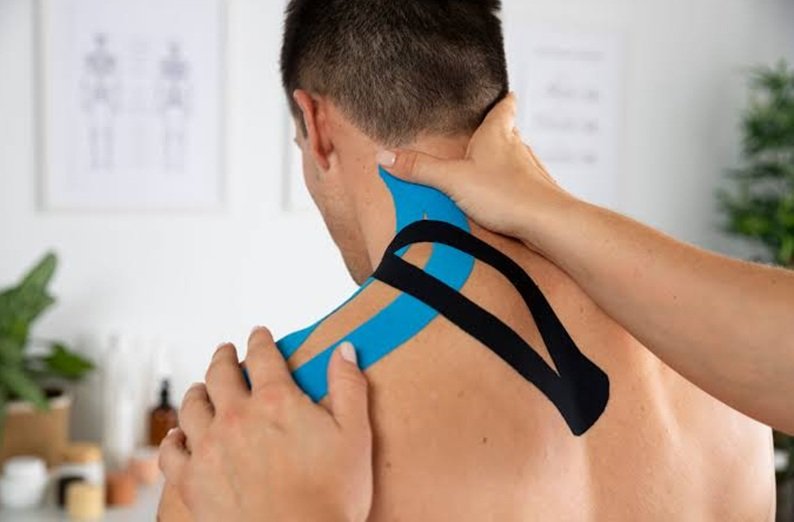
Kinesiology tape has become popular in sports and daily routines for people dealing with muscle tension and recovery. But many people start using it for every type of pain, thinking the tape can solve the problem. That is not a safe approach.
There are certain skin conditions, injuries, and health concerns where kinesiology taping should be avoided. This blog explains these situations in simple terms, so you know when the tape may not be the right choice for you.
What is Kinesiology Tape?
Kinesiology tape is a type of elastic therapeutic tape that physical therapists use to provide gentle support to a body structure. The tape is made of a substance that is flexible and is able to stretch along with the body.
Kinesiology taping is applied directly to the skin and is used to cover a muscle, joint, or area of the body that is of clinical interest. It is quite different from rigid medical tape, because it allows movement to a greater extent.
It can also be used alongside treatments such as massage therapy in East Delhi when a person needs help with muscle tension, movement, or recovery. The tape is selected and applied according to the requirements of the treatment, and should not be considered a replacement for physiotherapy, exercise, or medical care.
Top 7 Cases Where Kinesiology Tape Is Not the Right Choice
Now that you know what kinesiology tape does, it is important to know when to avoid it. These seven situations need care before using Kinesiology Taping.
- Open Wounds or Broken Skin
Kinesiology tape should not be placed directly over an open wound, cut, scrape, or broken skin. The adhesive can irritate the area and may interfere with the natural healing process.
A wound needs proper care based on its size, depth, location, and condition. Your physiotherapist may suggest another way to manage movement or discomfort until the skin has healed.
Kinesiology Taping may become suitable after the skin has recovered.
- Skin Infections or Rashes
Do not put kinesiology tape on skin that has a rash, infection, redness, or strong irritation. The tape can make the area more irritated. It can also cover the skin and make it tougher for you to see what is happening.
You may have a skin problem because of an allergy, infection, eczema, or another reason. Your doctor or physiotherapist can check the area and tell you what to do.
People visiting massage therapy in East Delhi clinics should also tell their therapist about any rash or skin infection before starting a session.
Healthy skin is needed before tape can be used safely. Wait until your skin has healed and a professional says it is safe to use tape.
- Severe Allergic Skin Reactions
Some people are allergic to the sticky material used on medical tape. Your skin may become red, itchy, swollen, or painful after you put the tape on.
You may also notice burning or a rash. These signs mean your skin may not like the tape. Take the tape off gently and check the area.
Tell your physiotherapist about any past reaction to tape, bandages, or other sticky products. This gives them useful information before they apply anything to your skin.
Kinesiology Taping may not be right for you when your skin reacts badly to adhesives. Your physiotherapist can suggest another way to help your muscles or joints.
- Deep Vein Thrombosis (DVT)
Deep vein thrombosis, or DVT, is a blood clot that can form inside a deep vein. It can happen in your leg. Your leg may become swollen, painful, warm, or look different from the other leg.
You should not use kinesiology tape to treat these signs. First, you need to find out what is causing the swelling or pain.
Even if you go for massage therapy in East Delhi for sudden leg pain or swelling, tell your therapist about these symptoms before treatment. Massage may not be safe when a blood clot is suspected.
A doctor needs to check the problem and decide what treatment you need. Do not try to treat sudden leg swelling or pain with kinesiology taping at home.
- Unexplained Swelling or Severe Pain
You should not put tape on an area that suddenly becomes very swollen or very painful without knowing why it happened. Pain and swelling can happen because of an injury, muscle problem, joint problem, infection, or other health issue.
Your body is telling you that something needs attention. Covering the area with tape may stop you from noticing changes in the skin or pain.
A physiotherapist can check your movement and the painful area. After finding the cause, they can tell you if kinesiology taping is suitable for you.
- Fractures or Serious Injuries
You should not use kinesiology tape on a broken bone or a serious injury without getting proper medical advice first. A fracture may need a cast, brace, rest, or another type of treatment.
A serious muscle tear or ligament injury also needs proper care. Tape cannot fix a broken bone or replace the treatment you need after a serious injury.
Tell your therapist about your injury before starting any treatment, such as massage therapy in East Delhi. Your physiotherapist can tell you which exercises and treatments are safe during your recovery.
- Poor Skin Sensitivity or Numbness
Numbness can happen because of a nerve problem or an injury. Putting tape on numb skin without professional advice can cause a skin problem that you do not notice.
Tell your physiotherapist when part of your body feels numb, weak, or less sensitive than normal. They can check the area before using tape.
Kinesiology Taping may not be suitable for an area where you have very little skin sensation. Take the tape off and speak with a professional when you notice strange skin changes or other new symptoms.
Get Personalised Advice on Kinesiology Taping at Care N Cure Clinic
Kinesiology taping may look simple, but knowing where to place it, how much tension to use, and when to avoid it takes proper guidance. A discussion with a qualified physiotherapist at Care N Cure Clinic can help you understand if this technique is suitable for your condition.
So, don’t start applying the tape randomly or treat it like an ordinary adhesive tape. First, understand what your body needs and how taping may help.
At Care N Cure Clinic, we are here to help you with joint and muscle problems that have been troubling you for some time. Call us to schedule an appointment and take the right step toward managing your pain.
FAQs
Q1. Who should not use kinesiology tape?
A: Those who have open wounds, skin infections, serious irritation, or adhesive allergies should avoid using kinesiology tape. You should also speak with your physiotherapist before using it for severe swelling, unexplained pain, or an injury that has not been properly assessed.
Q2. Is it good to sleep with kinesiology tape?
A: Yes, you can sleep with kinesiology tape when it has been applied correctly, and your skin feels comfortable. Check your skin before sleeping. Remove the tape when you notice redness, itching, burning, swelling, or any other skin irritation.
Q3. Can I use KT tape every day?
A: KT tape can be used on a daily basis for certain conditions. However, your skin may limit how often KT tape can be used for a given condition. Your physiotherapist will give you the best advice regarding how often the tape should be used. It is important to give your skin a break from the tape.
Q4. Can I shower while wearing KT tape?
A: Yes, you can shower with KT tape on your skin. But you need to avoid rubbing or scrubbing the taped area. After your shower, gently pat the tape dry with a towel. Replace it when the tape becomes loose or damaged.
Q5. When to stop using KT Tape?
A: You can stop using KT tape when you notice itching, burning, redness, swelling, or a rash under the tape. Also, remove it carefully and check your skin. Speak with a physiotherapist when your pain increases or you notice an unusual reaction.

