
A sudden backache after lifting a bag, pain shooting into your leg, or numbness that appears without warning can leave you wondering what is happening inside your spine. A herniated disc is one of the most common reasons behind these symptoms, but understanding it does not have to be confusing.
This blog takes you through the complete picture, including what it is, early warning signs, common causes, diagnosis, and how herniated disc treatment is used to reduce pain and improve movement. So, take a closer look.
Understanding a Herniated Disc
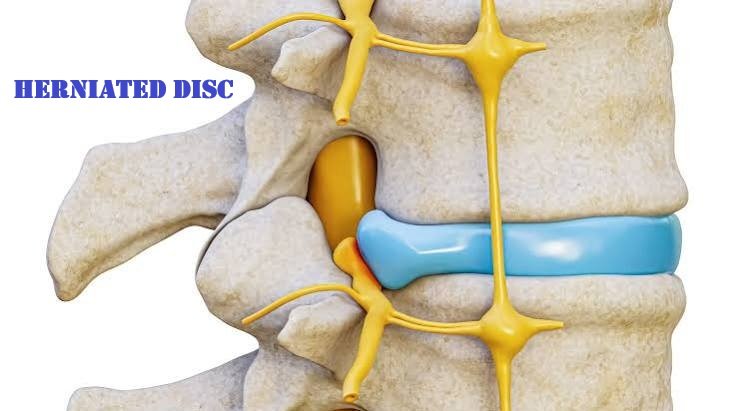
A herniated disc is a problem that happens inside your spine. Your spine has small bones with soft, round discs between them that act like cushions.
A herniated disc means one of these discs gets damaged, and the soft material inside pushes out through a crack. This pushed-out part can touch nearby nerves and cause pain, numbness, or weakness.
Doctors may suggest herniated disc treatment to help reduce these problems and help your back heal. You can just think of it as a jelly-filled cushion that leaks when it gets squeezed too hard.
Types of Herniated Discs
Many people think a herniated disc is one single condition, but doctors identify several types based on the area of the spine and the amount of disc damage. Understanding the types it includes helps you recognize your symptoms and discuss the right herniated disc treatment with your doctor.
● Cervical Herniated Disc
Pain starting in the neck and extending into the shoulder or arm can indicate a cervical herniated disc. A herniated disc or bulging disc presses on the spinal nerve and may cause pain, tingling, or numbness in your hand.
● Thoracic Herniated Disc
Pain or discomfort in the upper back, chest, or ribs can sometimes be caused by a thoracic herniated disc. This type of disc problem is less common because the middle part of the spine does not move as much as the neck or lower back. However, it can still cause noticeable pain or discomfort.
● Lumbar Herniated Disc
Lower back pain that spreads to your buttock, thigh, calf, or foot is caused by a lumbar herniated disc.
● Contained Herniated Disc
A contained herniated disc means one of the soft discs in your spine becomes swollen, but its outer covering stays closed. The swollen disc can press on a nearby nerve and cause back pain, stiffness, tingling, or numbness. In many cases, the symptoms are milder than those seen in more severe herniated disc problems.
● Extruded Herniated Disc
A more serious type of herniated disc appears when the outer layer of the disc tears, which allows the inner gel-like material to push out. This can put extra pressure on nearby nerves, leading to more severe pain, numbness, or muscle weakness.
● Sequestered Herniated Disc
The most severe type of herniated disc happens when a piece of the disc breaks away completely and moves into the spinal canal. This loose fragment can put pressure on nearby nerves, causing pain, numbness, or weakness.
Signs and Symptoms to Watch For
Your body can show small warning signs before a herniated disc becomes a bigger problem. Paying attention to these changes can help you seek herniated disc treatment at the right time.
● Back or Neck Pain
Some people feel aching pain in their lower back or neck for several days. This pain is caused by prolonged sitting, frequent forward bending, coughing, or lifting heavy objects.
● Pain Spreading Into Your Arm or Leg
A disc can put pressure on a nearby nerve and send pain away from the spinal disc. You may notice discomfort moving into your shoulder, arm, hand, buttock, thigh, calf, or foot.
● Tingling Sensation
You might notice a pins-and-needles sensation in your fingers, hand, foot, or toes. It can appear during certain activities and disappear after you change your position.
● Numbness
Some areas of your arm, hand, leg, or foot may become less sensitive. Touch, pressure, or temperature may not feel the same as usual.
● Muscle Weakness
You may struggle to grip a bottle, carry a bag, climb stairs, or stand up from a chair. Weakness in your arm or leg is an important sign that should not be ignored.
● Tight or Spasming Muscles
When your spine feels irritated, the muscles in your back can become tight and tense. This may cause sudden spasms, stiffness, or trouble moving your body comfortably. If muscle tightness starts affecting your daily routine, such as work, walking, or sleep, many people look for muscle spasm therapy to help manage their discomfort.
● More Pain After Sitting
After sitting in a car, at your desk, or on the sofa for a long time, your back may hurt more than it did earlier.
● Standing or Walking Feels Harder
You may find yourself changing positions frequently, stopping to rest after a short walk, or leaning slightly to one side because standing feels uncomfortable.
What Causes a Herniated Disc?
A herniated disc can happen for many reasons, not only because of a serious back injury.
● Age-Related Wear
As you grow older, the discs in your spine lose some water content and become less flexible. A drier disc can develop small cracks more easily, which increases the chance of a herniated disc.
● Lifting Heavy Objects Incorrectly
Using your back instead of your legs when lifting heavy items can place strong pressure on the lower spine. Twisting your body while lifting can increase that pressure even more.
● Repeated Bending or Twisting
Some professions or activities involve repeatedly bending, twisting, pushing, or pulling. Some people experience back pain from housework, warehouse work, gardening, sports, etc.
● Sitting for Long Periods
Spending many hours sitting at a desk, driving, or using a computer can place continuous pressure on the lower back. Poor posture can make that pressure stronger.
● Sudden Injury
A fall, accident, or sudden jerking movement can damage a spinal disc. Pain may start immediately or appear a few hours later.
● Excess Body Weight
Carrying excess body weight increases the load on your lower back. The lumbar discs work harder during standing, walking, and lifting activities.
● Weak Back and Core Muscles
Your back and abdominal muscles help keep the spine stable. Weak muscles can increase strain on the spinal discs during everyday movements.
● Smoking
Smoking reduces blood flow to the spinal discs, which can affect their health and make damage more likely over time.
● Muscle Tightness Can Also Play a Role
Tight back muscles can put pressure around the spine and make movement uncomfortable. Stiffness or sudden muscle spasms can affect daily activities, which causes many people to search for muscle spasm therapy near me to find relief and improve daily movement.
How a Herniated Disc Is Diagnosed
So now, if you are worried about how herniated disc treatment is done, take a look below.
● Your Doctor Will Ask About Your Symptoms
During the first visit, your doctor will ask where the pain starts, how long you have had it, and which activities make it worse. You may also be asked about tingling, numbness, weakness in your arm or leg, and any recent injury or heavy lifting.
● Physical Examination
Your doctor will check how you stand, walk, bend, and move your neck or back. Simple tests can show which nerve is irritated and how much pressure the disc is putting on that nerve.
● MRI Scan
An MRI is the most common test used to confirm a herniated disc. It shows the spinal discs, nerves, and soft tissues clearly, so your doctor can see which disc is damaged and how severe the problem is.
● CT Scan or X-Ray
A CT scan may be used when an MRI is not possible. X-rays do not show the disc itself, but they can help rule out other problems such as fractures or changes in the spine bones.
● Nerve Tests
In some cases, doctors use nerve conduction studies or electromyography to check how well your nerves and muscles are working. These tests can help identify nerve damage caused by the herniated disc.
Treatment Options for Herniated Disc
A herniated disc can be treated with different medical and non-surgical methods. After your doctor confirms the diagnosis, herniated disc treatment may include the following options based on your symptoms and the affected area of your spine.e
● Physiotherapy
● Stretching exercises
● Strengthening exercises
● Posture correction
● Activity modification
● Hot and cold therapy
● Spinal injections
● Massage therapy
● Chiropractic or manual therapy
● Acupuncture
● Lifestyle and weight management
● Short term rest
You know, sometimes this problem does not require surgery or strong medications and can improve with sticking to proper herniated disc treatment.
Schedule Your Spine and Back Pain Assessment
Back pain should not stop you from enjoying your daily life. Schedule your consultation with Care N Cure today and get professional guidance for herniated disc treatment, posture correction, physiotherapy, and personalised spine care.
FAQs
Q1: Can a herniated disc heal without surgery?
A: Yes, there are many patients who respond well to physical therapy and the management of herniated discs. Only in very rare cases are surgical interventions indicated.
Q2: How do I know if my back pain is caused by a herniated disc?
A: In many patients, pain radiating to the arm or leg and tingling and numbness or muscle weakness are very common symptoms of a herniated disc.
Q3: Is walking safe when I have a herniated disc?
A: Short walks are relatively safe and benefit the majority of patients. It is better to engage in movement than to be totally immobile for long periods of time.
Q4: Why does the pain travel down my leg?
A: In many patients, the radiating pain, tingling and numbness of the muscles of the leg are caused by pressure on a nearby nerve root in the spinal column due to a herniated disc.
Q5: When should I see a doctor for a herniated disc?
A: If the pain is persistent for more than a week or a month, you need to consult a specialist as soon as possible.

