
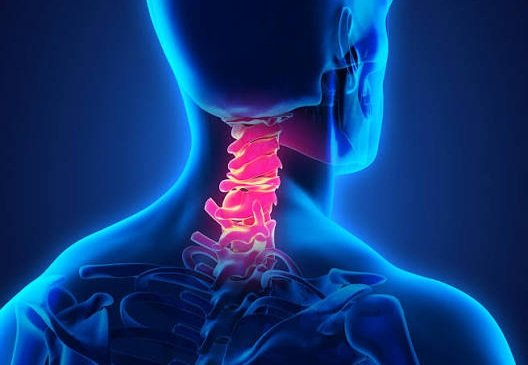
Find Long-Lasting Relief from Cervical Spondylosis Without Surgery
Do you have difficulty turning your neck? Are you feeling pain traveling from your neck into your shoulders and arms? It’s possible that you are suffering from cervical spondylosis, a condition where the strength in the joints and disks in your neck gradually degrades with age.
When dealing with it, don’t wait until neck pain begins affecting every part of your day. Speak with Care N Cure specialists, who understand what’s causing your discomfort, and begin a treatment plan created just for you.
Cervical spondylosis is a common condition that develops when the discs, joints, and bones in your neck gradually change or wear down. These changes can make your neck stiff, painful, and difficult to move. In some cases, the condition can also irritate nearby nerves, causing pain, tingling, or numbness that travels into your shoulders, arms, or hands.
Understanding the cause of your condition helps us recommend the treatment that’s right for you.
● Age-Related Changes
As you get older, the discs and joints in your neck naturally begin to wear down. This can reduce flexibility and make neck movement more uncomfortable.
● Poor Posture
Sitting with your head pushed forward for hours can place unnecessary pressure on your neck, and thus, this added strain can contribute to pain and stiffness.
● Long Hours on Mobile Phones and Computers
Looking down at your phone or working on a laptop for several hours each day can increase stress on your neck muscles and spine.
● Previous Neck Injuries
A road accident, sports injury, or sudden fall can affect the structures in your neck. Even after the injury heals, some people continue to experience stiffness and pain.
● Repetitive Neck Movements
Jobs or activities that involve repeating the same neck movements every day can gradually increase stress on your cervical spine.
● Weak Neck and Shoulder Muscles
Strong muscles support your neck during daily activities. When these muscles become weak, your neck joints may have to work harder, increasing strain over time.
● Sedentary Lifestyle
Spending most of your day sitting with very little movement can make your neck muscles tight and reduce flexibility.
● Genetic Factors
Some people are naturally more likely to develop cervical spondylosis because of inherited changes in their spine. Healthy habits and early treatment can still help manage the condition effectively.
Knee pain doesn’t always begin with severe discomfort. Sometimes, your body starts giving you small signs that shouldn’t be ignored. Getting treatment early can help you recover before the condition becomes more serious.
You may notice:
➔ Pain when you walk or stand for several hours
➔ Difficulty climbing or coming down stairs
➔ Swelling around the knee joint
➔ Morning stiffness or stiffness after resting
➔ Clicking, popping, or grinding sounds
➔ Difficulty bending or straightening your knee
➔ A feeling that your knee may give way
➔ Pain after sitting for a long time
➔ Difficulty getting up from a chair or bed
If knee pain is making everyday activities more difficult, it’s time to have it assessed by a specialist.
Your body often gives you early signs before the condition becomes more serious. Paying attention to these symptoms and getting treatment early can help reduce pain and support a smoother recovery.
➔ Neck pain that keeps coming back
➔ Stiffness that makes it difficult to turn your head
➔ Pain spreading towards your shoulders
➔ Pain travelling down one or both arms
➔ Tingling in your fingers
➔ Numbness in your hands
➔ Frequent headaches starting from your neck
➔ Weakness in your arms or hands
➔ Difficulty looking over your shoulder
➔ Reduced neck movement during daily activities
Don’t ignore these signs if they’re beginning to affect your daily routine. Getting the right treatment early can help you recover more comfortably
The right treatment begins with the right diagnosis. Our specialists take time to understand your symptoms, examine your neck carefully, and identify what’s causing your discomfort before recommending any treatment.
● Understanding Your Symptoms
We begin by discussing your pain, when it started, how often it occurs, and the activities that make it better or worse.
● Reviewing Your Medical History
Previous injuries, existing health conditions, and your daily routine help us understand the complete picture of your neck health.
● Physical Examination
Your specialist checks your neck, shoulders, and upper back to identify stiffness, muscle tightness, and areas causing pain.
Checking Neck Movement
You’ll be asked to slowly turn, bend, and tilt your neck so we can assess how well your joints are moving.
● Posture Assessment
The way you sit, stand, and work can contribute to cervical spondylosis. We look for posture habits that may be placing extra pressure on your neck.
● Nerve Examination
If you’re experiencing tingling, numbness, or weakness, simple nerve tests help us identify if a nerve is being compressed.
● Imaging Tests (Only If Required)
Most cases can be assessed clinically. If we need a clearer picture of your condition, we may recommend an X-ray or MRI.
No single treatment works for everyone because every neck condition is different. That’s why your treatment plan is created after understanding the cause of your pain, your lifestyle, and your recovery goals.
● Chiropractic Adjustments
Our gentle chiropractic adjustments help to restore movement within your neck’s joints, taking pressure off your cervical spine for better, more comfortable movement.
● Physiotherapy
Our physiotherapy specialists guide you through simple exercises that improve neck flexibility, increase your range of motion, and strengthen the muscles that support your neck. As your strength and movement improve, everyday activities become easier and more comfortable.
● Manual Therapy
Using gentle, hands-on manipulation and massage to your neck and shoulder muscles, manual therapy can ease tight muscles, restore motion, and reduce discomfort.
● Cervical Spine Mobilization
Gentle techniques are used to restore and improve motion in the cervical spine for easier neck rotation.
● Soft Tissue Release
Tight muscles can make neck pain worse. Soft tissue release helps relax these muscles and improve blood circulation.
● Therapeutic Exercises
You’ll receive exercises created according to your condition that strengthen your neck and improve long-term stability.
● Acupuncture Therapy
Fine needles are placed at specific points to reduce pain and encourage your body’s natural healing response.
● Cupping Therapy
This technique may be used to decrease muscle tension and stiffness, in addition to promoting healthy blood circulation to the muscles.
● Electrotherapy
Pain relief, as well as reduction of swelling and support for muscle recovery, are benefits of using this method.
● Posture Correction
Small changes in your sitting, standing, and working habits can reduce unnecessary pressure on your neck throughout the day.
● Home Exercise Program
Your specialist provides simple exercises and practical advice so you can continue improving between clinic visits.
Getting relief from cervical spondylosis begins with choosing a team that understands your condition and takes time to create a treatment plan that suits you. That’s exactly the care you’ll receive at Care N Cure Clinic.
➔ 20+ Years of Experience treating spine and joint conditions.
➔ Trusted by 1.5 Lakh+ Patients across Delhi.
➔ 12+ Experienced Chiropractors and Physiotherapists working together for your recovery.
➔ 5 Lakh+ Therapy Sessions successfully delivered.
➔ Personalized Treatment Plans created around your condition.
➔ Modern Rehabilitation Equipment supporting safe and effective care.
➔ Home Physiotherapy Services available for added convenience.
➔ Non-Surgical Treatment that helps many patients manage pain without invasive procedures.
Small changes in your daily routine can make a noticeable difference to your neck health. These habits help reduce unnecessary strain and support better movement.
● Keep your head, neck, and back aligned as much as possible during work or study.
● Raise your laptop or monitor so you don’t have to keep looking down throughout the day.
● Take regular breaks from your mobile phone and give your neck time to relax.
● Gentle stretching helps reduce stiffness and keeps your neck moving comfortably.
● Regular movement helps your joints and muscles stay flexible and strong.
● Simple strengthening exercises provide better support to your cervical spine.
● Choose a pillow that keeps your neck in a comfortable position throughout the night.
Ignoring ongoing neck pain can allow the condition to progress. Early treatment often leads to better results and a smoother recovery.
You don’t have to adjust your life around neck pain. The right treatment can help you move more comfortably, reduce stiffness, and make everyday activities easier again.
Book your consultation with Care N Cure Clinic today and let our experienced specialists create a personalized, non-surgical treatment plan that supports your recovery from cervical spondylosis.
Q1. What is the best treatment for cervical spondylosis?
A. Depending on your condition, treatment may vary. A specialist will take your symptoms into account before creating a plan that can include chiropractic treatment, physiotherapy, manual therapy, rehabilitation exercises, and postural correction to improve neck pain and range of motion.
Q2. Can cervical spondylosis be treated without surgery?
A. A: Yes, most individuals with cervical spondylosis find relief with conservative treatments and can recover without the need for surgical intervention. Professional care for cervical spondylosis in its early stages may alleviate pain, improve neck mobility, and enable you to get through your day more comfortably.
Q3. Can chiropractic care help cervical spondylosis?
A. A: Yes. Chiropractic adjustments can promote the movement of joints and ease the pressure on your neck to reduce stiff muscles. A specialist evaluates your symptoms prior to beginning any treatments.
Q4. Is physiotherapy effective for cervical spondylosis?
A. A: Physiotherapy can help strengthen the muscles that support the neck, which can improve posture and flexibility and reduce stiffness. This type of therapy can reduce the chances of symptoms resurfacing.
Q5. When should I see a specialist for cervical spondylosis?
A. A: You should seek medical attention from a specialist if you experience recurring neck pain, difficulty turning your neck, or if pain spreads to the neck and shoulders or the arms and neck. Early intervention often provides more efficient results in treating your condition and helping you recover quickly.
We’d love to hear from you! Feel free to leave us a message.
mohit.gupta2009@gmail.com
F3/3, near HDFC bank, Block E, Krishna Nagar, New Delhi, Delhi, 110051

Care N Cure clinic is a year’s old physiotherapy and rehabilitation clinic in Krishna Nagar. We provide services for orthopedic, neurological, physical therapy for pain management and preventive healthcare. Having experienced professionals and personalised treatment plans, we are now a trusted choice for someone looking for a renowned chiropractor in Krishna Nagar.
© 2026 Care N Cure Clinic | All Rights Reserved.

