
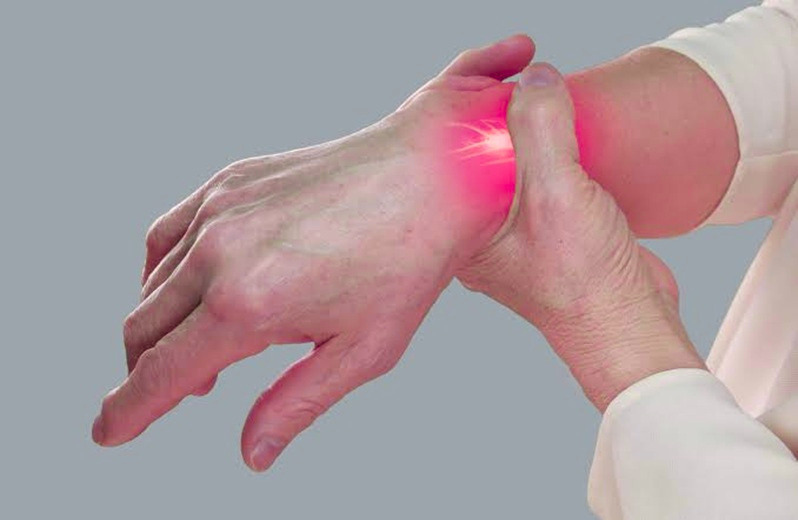
Get Lasting Relief from Hand and Wrist Pain Without Surgery
Have your hand and wrist stopped supporting you the way they used to? Are simple tasks like holding your phone, writing, typing, or gripping objects becoming difficult?
Visit Care N Cure and find out if carpal tunnel syndrome is the reason behind your symptoms. With 20+ years of experience, 12+ expert chiropractors and therapists, and 50,000+ surgeries avoided, we’ve helped thousands recover through personalized, non-surgical treatment.
Carpal Tunnel Syndrome occurs when the median nerve runs through your wrist and gets pinched in the carpal tunnel. As this happens, many people experience pain, tingling, numbness, and weakness in their hands and fingers as well.
Some may start to experience difficulty in even the simplest of tasks, such as holding your phone, typing, writing, and even forming a grip on objects. To prevent this, seek treatment to relieve the pressure on the nerve and allow for improved movement of the hand.
Carpal Tunnel Syndrome cannot just develop out of the blue. There are small habits and some health conditions that can slowly begin to develop and cause pressure on the median nerve.
● Repetitive Hand MovementsHaving to type, write, sew, or use hand tools for several hours throughout the day can all lead to putting stress on your wrist and repetitive movements. This can elevate the pressure within the carpal tunnel and lead to irritation of the median nerve.
● Frequent Use of Computer and MobileWhen you do excessive use of keyboards and mobile phones, and that also with no good support to your wrist, it can cause muscle strain. The median nerve can become gradually compressed, causing pain, tingling, or numbness.
● Wrist InjuriesCarpal tunnel syndrome can result from fractures and sprains of the wrist. Injuring the wrist can cause inflammation and swelling, which will further diminish the cavity that the median nerve occupies. This will also limit the movement of your hand.
● DiabetesHigh blood sugar can gradually affect the health of your nerves and surrounding tissues. Hence, people living with diabetes have a greater chance of developing carpal tunnel syndrome, especially when nerve irritation continues for an extended period.
● ArthritisInflammation can result from arthritis in the wrist joints. Swollen tissue in the carpal tunnel can cause the median nerve to become further compressed. This can cause pain, tingling, and stiffness and can limit your hand from performing normal daily activities.
● PregnancyIn pregnancy, changes in hormones can cause the body to retain fluid, which can cause swelling in the wrist.
● ObesityExcess body weight can be transmitted to the wrist and other joints, which can be compressed and further irritate the median nerve. This will also diminish the space that the carpal tunnel occupies.
● GeneticsHaving a small carpal tunnel can be hereditary. Natural disposition can also determine compression of the median nerve and carpal tunnel syndrome caused by normal daily activities.
Signs That You Have Carpal Tunnel SyndromeYou need to pay attention to these early signs before things get worse.
● Tingling in the FingersA tingling sensation in your thumb, index, middle, or ring finger is one of the earliest signs. It may come and go at first, then start appearing more frequently during work, rest, or after using your hands for some time.
● Numbness in the HandYour hand may suddenly become numb. You might also notice this after waking up, driving, reading, or using your phone, and the sensation can gradually begin appearing more frequently.
● Wrist PainYou may experience pain around your wrist that starts as a bit of discomfort and then slowly becomes more noticeable. Even writing, typing, lifting grocery bags, or opening jars is troubling you.
● Pain Spreading into the ArmSometimes the pain can travel into your forearm and reach your elbow or shoulder.
● Weak Grip StrengthYou may notice that you are not very capable of even holding a cup, carrying shopping bags, or gripping small objects.
● Burning Sensation in the HandSome people notice a burning sensation running through the fingers or palm.
● Difficulty Using Your FingersYour fingers may not respond as smoothly as before, and small hand movements are less comfortable.
● Symptoms of Nighttime DisturbanceWaking up at night from your hand going numb, tingly, and painful. You might find that you can maybe feel better from shaking and moving it, but it might still feel that way for the rest of the night.
● Frequent Hand FatigueYour hand may become tired much sooner than before, even after simple activities.
● Dropping Things AccidentallyYou may begin dropping your phone, keys, utensils, or other everyday items without noticing why.
Our specialists follow an assessment process to identify what problem you are dealing with. Now, coming to diagnosing carpal tunnel symptoms, here’s what we do.
● Analyze Your SymptomsWe first discuss your symptoms, when they started, how many times they occur, and the activities that increase or reduce them. This helps us understand how the condition is affecting your daily routine.
● Look Through the Past Medical EventsThrough your medical history, we gain valuable information about your previous wrist injuries, diabetes, arthritis, pregnancy, or any other health condition that may be contributing to your symptoms.
● Physical ExaminationAfter that, we examine your hand, wrist, fingers, and forearm to check for tenderness, swelling, muscle weakness, and areas causing discomfort.
● Checking Hand and Wrist MovementYou will be asked to perform simple hand and wrist movements, so we can assess the range of motion and flexibility of your wrist and fingers.
● Grip Strength AssessmentNext, we will test the strength of your grip to evaluate your hand strength and identify any weakness caused by pressure on the median nerve.
● Nerve AssessmentSpecific clinical tests may be prescribed to you to check if the median nerve is compressed inside the carpal tunnel. These assessments also help identify tingling, numbness, or reduced sensation in your fingers.
● Nerve Tests (Only If Required)Many cases can be diagnosed through a clinical examination. X-rays, ultrasound, MRI, or nerve conduction studies may be recommended when a clearer understanding of the condition is needed before planning treatment.
The cases we deal with of carpal tunnel syndrome are all different and of different ages. Some of them are mainly struggling with tingling and numbness, while some are having problems with their grip strength.
In those cases, and after identifying the cause of your symptoms, our specialists prepare a treatment plan as per the requirements of the problem and the person. However, the treatments that are used for carpal tunnel syndrome are as follows:
● Chiropractic and Physiotherapy for Wrist and Hand
Gentle chiropractic adjustments are performed on the small joints of the wrist and hand to restore normal joint movement. In the physiotherapy program, stretching, mobility exercises, and strengthening exercises are performed for the wrist, hand, and forearm. These exercises improve flexibility, restore grip strength, and help your hand perform everyday activities with greater ease.
● Hands-On Manual Therapy
In manual therapy, you do not need to do anything but cooperate with the chiropractors when they apply gentle hands-on techniques to your muscles, soft tissues, and joints of the wrist and forearm. This treatment helps reduce stiffness, improve joint mobility, and ease discomfort caused by restricted movement.
● Soft Tissue Release
Tight muscles in your forearm and wrist can increase pressure around the carpal tunnel. Hence, our specialist applies pressure techniques to release tight muscles and connective tissues around the wrist, palm, and forearm.
● Electrotherapy
Electrotherapy may be used to reduce pain, calm irritated tissues, and assist muscle recovery as part of your rehabilitation program.
● Therapeutic Ultrasound
Mild electrical stimulation is applied through small pads placed around the affected area to reduce pain, decrease muscle irritation, and assist the recovery of surrounding tissues.
● Ergonomic and Activity Correction
We will also check how you use your hands during work and daily activities. Accordingly, you will be advised to make some changes to the position of your keyboard, the use of a mouse, handwriting, lifting techniques, and mobile phone habits, so as to reduce repeated pressure on the wrist.
● Home Exercise Program
You can even book a personalised home program. Our qualified team member will come to your space to continue your recovery when you are not feeling better to visit our clinic.
You want relief from the pain that doesn’t go away, and we provide you with a treatment plan that helps you avoid medication and surgeries. There are many more reasons that millions of Delhiites recommend Care N Cure Clinic.
● 20+ Years of Experience treating spine and joint conditions.
● Trusted by 1.5 Lakh+ Patients across Delhi.
● 12+ Experienced Chiropractors and Physiotherapists working together for your recovery.
● 5 Lakh+ Therapy Sessions successfully delivered.
● Personalized Treatment Plans created around your condition.
● Modern Rehabilitation Equipment supporting safe and effective care.
● Home Physiotherapy Services available for added convenience.
● Non-Surgical Treatment that helps many patients manage pain without invasive procedures.
Hand and wrist pain should not stop you from doing the things you do every day. Visit Care N Cure today, so our experienced chiropractors and physiotherapists create a personalized, non-surgical treatment Back Pain Treatment plan that helps you get back to your routine with confidence.
Q1. How can I tell the difference between carpal tunnel syndrome and short-term wrist pain?
A: Carpal tunnel syndrome is more probable when pain and numbness are recurring and especially bothersome at night or after specific activities with your hands. These symptoms are slightly more severe and not likely to just be wrist pain that goes away with rest. Medical attention will be able to offer insight into the cause of your symptoms.
Q2. Is it possible to recover from carpal tunnel syndrome without surgery?
A: It is possible to recover without surgery. It is more common to recover from carpal tunnel syndrome without surgery when it is diagnosed and treated early on. Chiropractic treatment, physical therapy, manual therapy, and changes to daily routines to be more aware and less strenuous on the hands are treatment options.
Q3. How many treatments will improve my condition?
A: Treatments are not set to a specific time frame since it is more determined by the condition of your wrist. After an assessment, our professionals will create a treatment plan specific to you, and this will include how long you will need to return for follow-up visits.
Q4. Am I able to work while undergoing treatment?
A: In most cases, the answer is yes; however, you will need to be conscious of how you position your wrist and the type of work you do. Your treatment specialist will inform you of any restrictions you will need to follow during your recovery.
Q5. What are the effects of not treating carpal tunnel syndrome?
A: Not treating the symptoms of carpal tunnel will result in more severe symptoms. You will eventually experience more severe numbness and loss of grip strength and function of your hands. You will also lose the ability to grasp and hold objects that would normally be easy to hold.
We’d love to hear from you! Feel free to leave us a message.
mohit.gupta2009@gmail.com
F3/3, near HDFC bank, Block E, Krishna Nagar, New Delhi, Delhi, 110051

Care N Cure clinic is a year’s old physiotherapy and rehabilitation clinic in Krishna Nagar. We provide services for orthopedic, neurological, physical therapy for pain management and preventive healthcare. Having experienced professionals and personalised treatment plans, we are now a trusted choice for someone looking for a renowned chiropractor in Krishna Nagar.
© 2026 Care N Cure Clinic | All Rights Reserved.

