

Pain can make normal movement difficult. A painful knee can change the way you walk. A stiff neck can make it hard to turn your head. Shoulder pain can make simple tasks, such as reaching for a shelf or putting on a shirt, uncomfortable.
When pain continues, you may start changing the way you move without noticing it. Your body tries to protect the painful area, but this can sometimes place extra stress on other muscles and joints.
The aim is not only to make the pain feel better. Good physiotherapy should also help you move more easily and return to your normal activities.
What Is Manipulative Therapy?
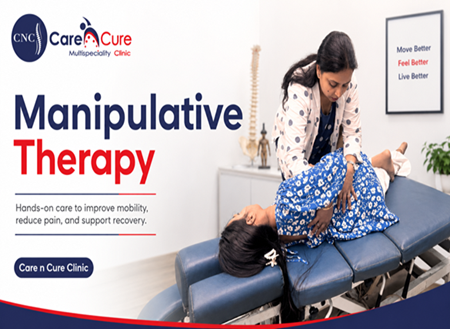
Manipulative therapy is a hands-on treatment that physiotherapists may use for some movement and joint problems. In treatment the physiotherapist may move a joint in a controlled way, or use gentle stretching and other manual techniques.
The treatment will depend on your symptoms and physical condition.
Your body parts work together when you move. A problem in one area can affect another area. For example, a stiff ankle can change the way you walk. Limited hip movement can affect your lower back. Shoulder stiffness can also change how you use your neck and upper back.
A physiotherapist checks these movement patterns before deciding on treatment. They do not simply use the same technique for every patient.
Why Can Movement Become Difficult?
Many problems can affect your movement. An injury can cause pain and swelling. Long hours of sitting can make your body feel stiff. Repeated physical work can place stress on muscles and joints. Weak muscles can also make some movements harder.
Pain itself can change how you move.
For example, if bending your knee hurts, you may stop bending it fully. You may put more weight on your other leg or change the way you walk. Your body does this to protect the painful area.
This change may help at first, but it can create extra pressure on other parts of the body if it continues for a long time.
A physiotherapist can check how you move and identify areas that may need attention.
How Can Hands-On Treatment Help?
Stiff joints can make it harder to do day-to-day tasks. You may have difficulty turning your head, getting out of a chair, walking for a long time, or reaching above your head.
In some people with joint or muscle problems, a hands-on treatment may help improve movement. During the treatment, the physiotherapist uses controlled movements according to your condition. They also monitor your body’s reaction.
If a technique doesn’t feel good, they can switch to something else. The point is not to force your body into any position. Your symptoms, mobility, and general health should dictate a safe treatment plan.
Your physiotherapist may also give you exercises after hands-on treatment. These exercises can help you use the movement during normal activities.
What Happens During Your First Physiotherapy Visit?
The physiotherapist might ask you when the pain started, what makes it worse, and what makes it better. They might also want to know about your day-to-day activities and how the problem affects your work, exercise, sleep, or other routines.
Two people can have the same type of pain but need different treatment. For example, one person with shoulder pain may have reduced movement after an injury. Another person may have weak muscles that affect shoulder control.
Their treatment plans may look very different.
This is why you should choose a qualified professional when considering Manipulative Therapy in Delhi.
Hands-On Treatment and Exercise Can Work Together
Hands-on treatment does not always need to work alone.
A physiotherapist may combine manual treatment with exercises that suit your condition. Each part of the plan can serve a different purpose.
● Hands-on treatment: may help make a stiff movement easier.
● Exercises: can then help you build strength, control, flexibility, and confidence.
● Gentle movement exercises: may help a person with joint stiffness.
● A strengthening plan: may help someone with weak muscles.
● Simple exercises: may help a person recovering from an injury slowly move to harder activities.
Your physiotherapist can change the exercises as your condition improves.
You should also avoid copying exercises from random online videos without knowing whether they suit your condition. The right exercises depend on your symptoms, strength, injury, and stage of recovery.
Who May Benefit From Manipulative Therapy?
Physiotherapists may use hands-on treatment for different movement problems.
● Joint stiffness: People with joint stiffness may receive manual treatment to help improve comfortable movement.
● Injuries: Some people recovering from injuries may also receive hands-on treatment as part of a wider physiotherapy plan.
● Muscle and joint problems: People with certain muscle and joint problems may also receive manual treatment along with exercises and other forms of care.
However, manipulative therapy does not suit everyone.
A proper assessment should come first.
If you have severe or unexplained pain, a serious recent injury, major swelling, unusual weakness, numbness, balance problems, or other worrying symptoms, seek appropriate medical advice. Do not assume that hands-on treatment is suitable for your condition.
How to Choose a Physiotherapist in Vishwas Nagar
Choosing the right physiotherapist matters when you need treatment for pain or movement problems.
If you are searching for a Physiotherapist in Vishwas Nagar, do not choose a professional only because they offer a specific treatment.
Ask how they will assess your problem. Ask what type of treatment they recommend and whether they will include exercises when needed.
A good physiotherapist should explain what they are doing and why. You should also feel comfortable asking questions about your symptoms, treatment, exercises, and recovery.
Every person has different needs, so your treatment should match your condition.
You should not feel pressured to continue a treatment simply because it helped another person.
What Should You Expect From Treatment?
You can’t expect a treatment session to solve everything in one go. There are many things that can affect your recovery.
● The reason for your pain
● The duration of your problem
● Your general health
● Your activity level
● How your body responds to treatment
Some people may notice changes quickly. Others may need more time.
Your physiotherapist should monitor your progress rather than use exactly the same approach at every visit.
As your movement improves, your treatment may change. If something does not help, the physiotherapist can reassess your condition and adjust the plan.
This approach allows treatment to change as your needs change.
Recovery Should Focus on Your Daily Life
Imagine that your back pain has improved, but you still cannot bend down comfortably to pick something up.
You may feel better, but you still have trouble with an important daily task.
This is why physiotherapy often looks at both pain and movement.
Your recovery goal may involve:
● Walking
● Working
● Exercising
● Playing a sport
● Caring for your family
● Completing daily tasks more comfortably
Your personal goal matters.
One person may want to walk around the neighborhood without pain. Another may want to return to the gym. Someone else may simply want to sit at work comfortably for a full day.
Your physiotherapy plan should support the activities that matter to you.
Is Manipulative Therapy Painful?
Hands-on treatment can feel different from person to person.
Some techniques may feel like gentle pressure or stretching. Others may involve controlled joint movement.
Treatment should not focus on how much pain you can tolerate.
Tell your physiotherapist how you feel during treatment. Your feedback can help them adjust the technique when needed.
If you experience unusual or severe pain during or after treatment, contact your physiotherapist or seek appropriate medical advice.
Why Is Personalised Treatment Important?
There’s no one treatment plan for everyone. Symptoms, activity level, past injuries, daily routine, strength and physical condition can affect your recovery.
Two people with similar symptoms may have different movement problems. It is important to have a good assessment so that the physiotherapist can understand these differences.
Then they can decide whether hands-on treatment is appropriate and what other treatments might be beneficial. This can also help you understand what you need to do between physiotherapy appointments.
When Should Physiotherapy be Considered?
You don’t always have to wait until your pain is severe to seek help.
If the pain continues to bother you, affects your daily activities, restricts movement or keeps coming back, a physiotherapy assessment can help.
Physiotherapy can also help some people recover after injury or when normal movement is difficult due to stiffness.
Some symptoms need initial medical attention. Don’t ignore sudden severe pain, major injury, unexplained weakness, loss of feeling, serious balance problems or other concerning symptoms.
A trained medical professional can evaluate your symptoms and direct you to the appropriate care.
Better Movement Takes More Than Hands-On Treatment
Manipulative therapy can form part of physiotherapy when a qualified professional decides that it suits your condition.
Physiotherapist in Vishwas Nagar, choose a qualified professional who listens to your concerns, checks your movement, explains the treatment, and creates a plan based on your needs.
Better movement means less pain. At carencurechiropractic.com, it’s also about getting back to what you care about, and moving with more comfort and control.
FAQ’s
Q1. Do I need exercises with manipulative therapy?
A. Your physiotherapist may recommend exercises along with hands-on treatment. Exercises can help improve strength, flexibility, movement, and control.
Q2. Is manipulative therapy safe for everyone?
A. A treatment may not suit every person or every condition. A qualified physiotherapist should assess your symptoms before recommending hands-on treatment.
Q3. How can I choose the right physiotherapist?
A. Look for a qualified professional who listens to you, checks your movement, explains your treatment clearly, answers your questions, and creates a plan that matches your needs.
Q4. What is manipulative therapy?
A. Manipulative therapy is a hands-on physiotherapy treatment that may help improve movement and reduce stiffness in some people.
Q5. Can manipulative therapy help with joint stiffness?
A. It may help some people with joint stiffness. The right treatment depends on the cause of the stiffness and your overall condition, so an assessment should come first.

