

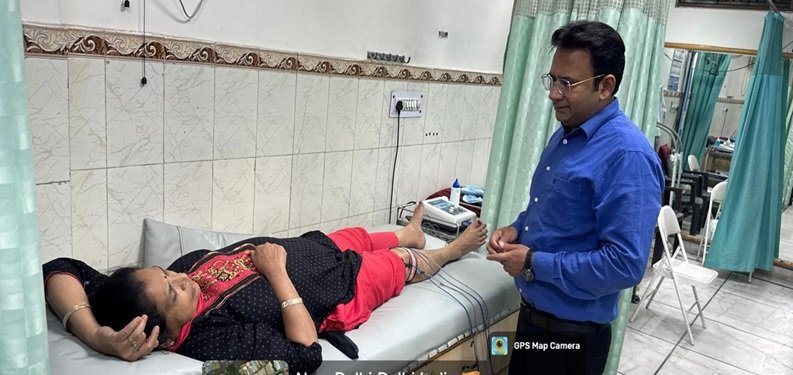
When you start looking for therapy, it can feel confusing with so many options available. You may be dealing with stress, pain, or emotional challenges, and finding the right support is imperative.
The correct therapy depends on what suits your needs and how your body responds. If you have searched for ankle pain treatment near me, you already know how important the right care is. This A to Z guide reflects a practical, patient-first approach followed at Care n Cure to help you choose wisely.
A
● Acceptance and Commitment Therapy (ACT)
Have you noticed how the more you try to push certain thoughts away, the stronger they seem to come back? ACT works on changing your relationship with those thoughts. Instead of getting caught up in them, you learn to accept their presence and shift your focus toward what truly matters in your life.
Many people find it helpful when dealing with anxiety, chronic pain, or life transitions. A trained Chiropractor in Jhilmil may also guide patients toward such supportive therapies.
● Applied Behavior Analysis (ABA)
ABA is widely used to support people with developmental conditions, especially autism. It focuses on simple, structured methods that encourage positive behaviors and gently reduce patterns that may cause difficulty.
B
● Behavioral Therapy
Behavioral therapy helps you change habits that are not helping you by practicing better ones again and again. For example, if you’re scared of speaking in public, you might start by talking in front of one person, then a small group, and slowly build confidence. Step by step, your reaction changes.
● Bereavement Therapy
Bereavement therapy supports anyone coping with loss. It provides a safe space to process grief and emotions that follow the passing of a loved one.
This therapy helps people understand their feelings and gradually adjust to life changes. It also encourages emotional expression and healing, so it’s a little easier for them to regain stability and move forward with support.
C
● Cognitive Behavioral Therapy (CBT)
CBT assists you in identifying the pattern of your negative thoughts and replacing them with more positive ones. It connects thoughts, emotions, and actions in a simple way. This therapy is widely used for anxiety, depression, and stress.
● Cognitive Processing Therapy (CPT)
CPT is mainly used for trauma recovery. It helps process difficult memories and challenge harmful beliefs formed after traumatic events. It helps reduce emotional distress and improves clarity of thought to help people regain control over their reactions and daily life.
● Client-Centered Therapy (Person-Centered Therapy)
Ever wanted someone to just listen to you without judging or interrupting? That’s what this therapy feels like. The therapist gives you space to talk freely and lets you lead the conversation at your own pace.
As you open up, you start understanding yourself better and feel more confident. Being taken seriously helps you heal emotionally and grow in a way that feels natural and comfortable.
● Couples Therapy
Couples therapy helps partners improve communication and resolve conflicts. It focuses on understanding each other’s perspectives and rebuilding trust.
D
● Dialectical Behavior Therapy (DBT)
Are you dealing with mood swings or impulsive behavior? There’s no better therapy than DBT. Yes, the treatment helps manage intense emotions and improve relationships.
It teaches techniques, including mindfulness, emotion regulation, and distress tolerance. It provides practical tools for daily life to maintain emotional balance.
E
● Eclectic Therapy
Eclectic therapy means the therapist does not stick to just one method. Instead, they use different techniques from different therapies based on what works best for you.
For example, in one session, they might help you change negative thoughts, and in another, they might focus on your past or your behavior. So, it’s a mix of methods, adjusted to your needs.
● Eye Movement Desensitization and Reprocessing (EMDR)
EMDR is a therapy that helps you deal with painful memories without feeling overwhelmed by them. Instead of just talking, the therapist guides you through simple eye movements while you think about the experience.
This process helps your brain slowly “reprocess” what happened. Over time, the memory starts to feel less heavy, and you notice that it doesn’t affect your emotions the way it used to.
● Exposure Therapy
Exposure therapy helps people face their fears gradually. It is commonly used for phobias and anxiety disorders. The procedure is safe and regulated, enabling people to gradually gain confidence. With time, the fear response reduces significantly.
F
● Family Therapy
As can be understood from the name, the therapy is used to improve communication within families. It helps resolve conflicts and strengthen relationships. This approach is useful when multiple members are affected by a situation. It builds understanding and support within the family unit.
G
● Gestalt Therapy
Gestalt therapy is intended to help people become more aware of themselves and the present moment. It encourages people to understand their feelings and actions. This therapy helps people take responsibility for their choices and improve emotional clarity.
● Group Therapy
Group therapy involves sessions with multiple participants facing similar challenges. People learn from each other’s experiences and build support networks, which can be very comforting.
H
● Humanistic Therapy
The goal of humanistic therapy is to promote personal growth and self-esteem. It encourages you to reach your full potential. This therapy builds confidence and promotes a positive outlook on life.
● Integrative Therapy
Integrative therapy blends different approaches to suit individual needs. It looks at emotional, physical, and mental aspects together. Many professionals, including a chiropractor in Jhilmil, support such combined care for better results.
● Interpersonal Therapy (IPT)
Through IPT, you can improve relationships and communication. It shows how your relationships and interactions affect your feelings and teaches ways to handle them more positively.
J
● Jungian Therapy
Jungian therapy explores the unconscious mind through symbols, dreams, and imagination. It helps individuals understand deeper aspects of their personality. This leads to better self-awareness and emotional balance.
L
● Logotherapy
Helping find purpose in life is the main goal of logotherapy. So, the concept is to help people deal with difficult situations by identifying purpose. This approach builds resilience and emotional strength.
M
● Mindfulness-Based Cognitive Therapy (MBCT)
MBCT combines mindfulness practices with cognitive therapy. It helps patients stay present and manage negative thoughts. It is useful for preventing relapse in depression.
● Motivational Enhancement Therapy (MET)
MET helps build motivation to change harmful behaviors. It is commonly used for addiction treatment. The therapy focuses on personal goals and readiness for change.
N
● Narrative Therapy
Narrative therapy helps individuals reshape their life stories. It separates the person from the problem and builds a positive perspective. This improves confidence and emotional clarity.
P
● Play Therapy
Play therapy is mainly used for children. Yes, kids also need therapies to express emotions through play. This helps therapists understand their feelings and support their development.
● Problem-Solving Therapy
This therapy teaches practical skills to handle everyday challenges. It focuses on finding solutions step by step to help with stress and anxiety.
● Psychodynamic Therapy
Psychodynamic therapy explores past experiences and unconscious patterns. It helps understand how the past influences the current behavior of the person. This results in long-term emotional recovery.
R
● Rational Emotive Behavior Therapy (REBT)
REBT helps you notice thoughts that are too extreme or unrealistic. A therapist helps you question these thoughts and look at the situation in a calmer, more practical way. As you practice this, you start feeling less overwhelmed and handle situations with a clearer and more balanced mindset.
● Relational Therapy
Ever notice how some relationships just feel easy, while others leave you confused or drained? Well, here, relational therapy plays its vital role.
The doctor looks at these patterns in you and helps you understand why they occur. It guides you to communicate better, set healthy boundaries, and build trust, so your relationships can be improved accordingly.
● Reminiscence Therapy
Reminiscence therapy involves recalling positive memories. It is helpful for older adults. It improves mood and provides comfort through reflection.
S
● Sand Tray Therapy
Sand tray therapy gives you a quiet, creative way to express what you’re feeling without having to put everything into words. You use small objects and a tray of sand to create scenes that reflect your thoughts or emotions.
As you build these scenes, it becomes easier to understand what’s going on inside. It can be really helpful for both children and adults, especially when dealing with stress or past experiences.
● Schema Therapy
Sometimes the same problems keep recurring in your life, such as constant relationship issues or negative thinking patterns. Schema therapy helps you understand where these patterns come from and how they were formed. With time, you learn to break these cycles and respond in healthier ways, so you don’t feel stuck in the same situations again.
● Sex Addiction Therapy
When certain behaviors start to feel like they are going out of control, they can affect daily life and relationships. And so, yeah, this therapy is meant to help you understand those patterns and what’s driving them. You actually learn to manage them better, build control, and develop healthier, more balanced, stable habits.
● Sleep Therapy (CBT-I)
If your mind just won’t switch off at night, sleep therapy can help reset your routine. It works on simple habits, such as sleep timing, thoughts, and environment.
With time, your body starts following a healthier sleep pattern, and you feel more rested. Many people looking for ankle pain treatment near me also notice better recovery when sleep improves.
● Solution-Focused Brief Therapy (SFBT)
To help you avoid getting too caught up in the unnecessary problems, this therapy actually tells you what you can do now to make things better. It helps you set small, clear goals and move toward them step by step.
● Somatic Therapy
Stress and emotions, along with your mind, show up in your body too. Somatic therapy helps you notice these physical sensations and gently release that built-up tension. As your body relaxes, your mind follows, and you feel lighter and more in control, especially after stressful or overwhelming experiences.
T
● Teletherapy (Online Therapy)
Getting help is much easier now without stepping out. Teletherapy allows you to talk to a therapist through video or calls from your own space. It feels comfortable and convenient, especially when you have a busy schedule or prefer privacy while opening up about your thoughts.
● Transference-Focused Therapy
Sometimes the way you react to people comes from things you experienced in the past. This therapy helps you notice those patterns through your interaction with the therapist.
For example, you might realize that you get defensive in arguments because of how people criticized you as a child. As you understand these reactions better, you start building healthier ways of connecting with others in real life.
● Trauma Therapy
It’s a harsh reality, but some difficult experiences can stick with you for longer than you expect. And yes, for such cases only, trauma therapy is meant to provide you with a safe space to work through those memories at your own pace.
With time, the emotional weight becomes lighter, and you feel less triggered. This makes it easier to move forward and live your life without feeling stuck in the past.
● Trauma-Informed Therapy
This approach puts your sense of safety first. It understands that past experiences can shape how you respond to situations today. The therapist works at your pace, providing care and support while assisting you in processing your emotions without feeling overwhelmed.
Y
● Yoga Therapy (Complementary)
Care is necessary for both your mind and body, and that’s where yoga therapy comes in. The treatment includes gentle stretches, simple breathing exercises, and relaxation techniques to help you feel balanced.
It can ease stress, increase your body’s flexibility, and boost your psychological well-being. Many people who visit a chiropractor in Jhilmil like to include yoga in their routine because it helps them feel calmer, looser, and more comfortable in their everyday life.
Visit Care n Cure to Know Your Therapy Needs and Get Started
Therapy of any kind is something everyone can benefit from in today’s busy and stressful life. No matter what you’ve been going through, there are many therapies available to support both emotional and physical well-being.
Care n Cure, a chiropractic specialist clinic in Krishna Nagar, Delhi, helps you find the therapy that best matches your needs. The team provides personal guidance and supports your pace and lifestyle to help you feel lighter and more comfortable during sessions.
This is the perfect moment to express your concern for yourself. Schedule your session today at Care n Cure and begin to experience the transformation you’ve been waiting for.

